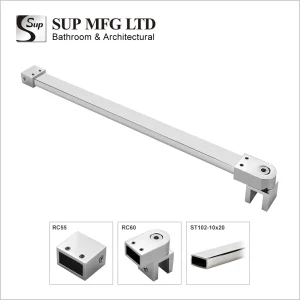
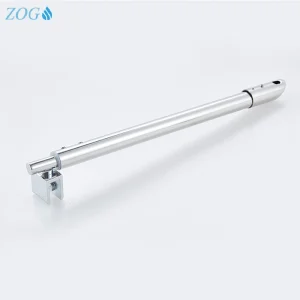
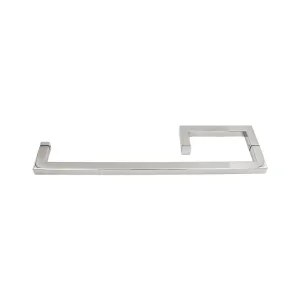
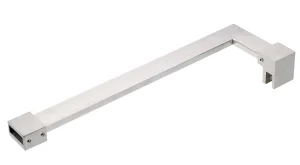
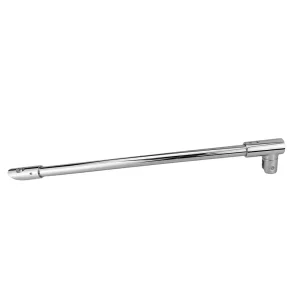
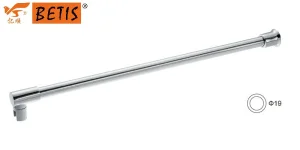
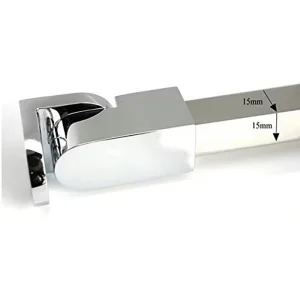
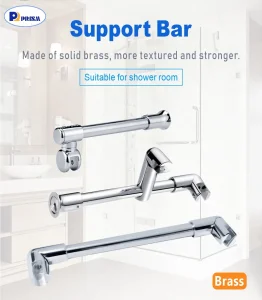
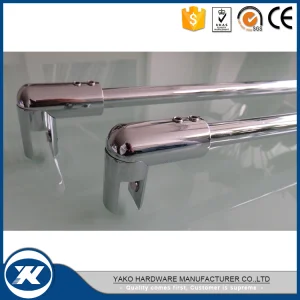
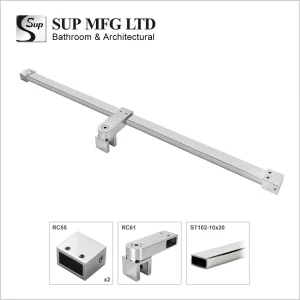
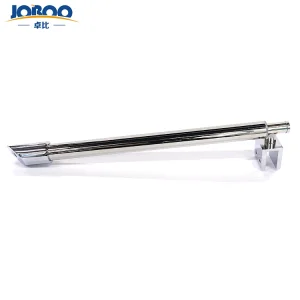
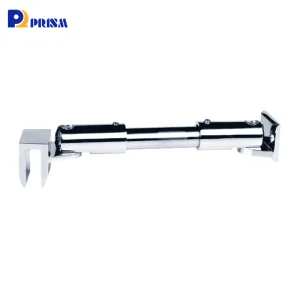
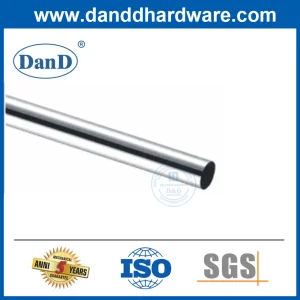
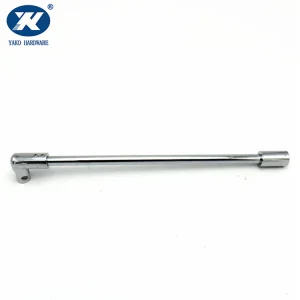
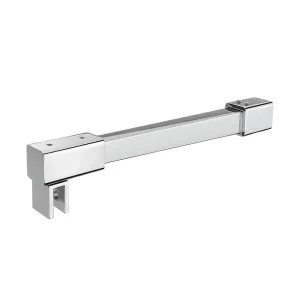
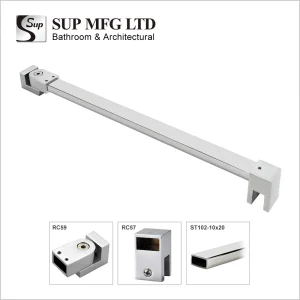
The urban landscape of Mali, particularly across booming commercial epicenters like Bamako, Kati, and Sikasso, is undergoing a profound structural evolution. Traditional masonry is systematically giving way to modern, high-visibility frameless glass architecture. This shift towards premium commercial facades, state-of-the-art office partitions, and high-end residential enclosures has generated unprecedented demand for hyper-stable interior hardware. Within this specific developmental paradigm, the glass door support bar serves not merely as an aesthetic accent, but as a critical mechanical anchor safeguarding structural equilibrium and public safety.
Operating hardware in sub-Saharan climates demands rigorous adherence to material science. Mali’s specific environmental profile—characterized by intense seasonal thermal fluctuations, high ambient dust loading from the Harmattan winds, and localized humidity spikes during the rainy season—poses strict challenges to lower-grade metallurgical components. Cheap alloys rapidly fail due to thermal stress deformation or atmospheric pitting. Consequently, Tier-1 architectural projects across Mali increasingly mandate the deployment of premium-grade SUS304 stainless steel and solid H59 brass support bars. These systems mitigate horizontal shear stress, eliminate micro-wobbles in high-traffic commercial glass assemblies, and counter structural setting vulnerabilities common to rapidly erected contemporary edifices.
On a global tier, architectural hardware engineering has integrated intelligent load-distribution profiles and modular stabilization geometries. As skyscrapers and commercial installations globally shift toward larger structural payloads using 10mm to 12mm thick tempered safety glass, specialized multi-angle stabilizers have transitioned from discretionary luxuries to strict statutory mandates. In response to international design codes, global processing centers utilize complex multi-axis CNC mills to guarantee absolute structural parallelism and mechanical load transition pathways.
For procurement directors and EPC consultants overseeing projects within Mali, importing products designed to uniform global guidelines ensures absolute compatibility with international structural certifications. Local building methods within West Africa frequently rely on heavy concrete structures; when paired with frameless tempered glass, specialized wall-to-glass stabilization rods compensate for natural building contraction and micro-seismic shifts. This specific design focus reduces stress convergence points on expensive glass panes, minimizing spontaneous blowout occurrences while significantly extending the operational lifecycle of door components.
Our comprehensive glass support configurations are carefully configured to support four essential regional deployment models across Mali’s commercial and infrastructure landscape:
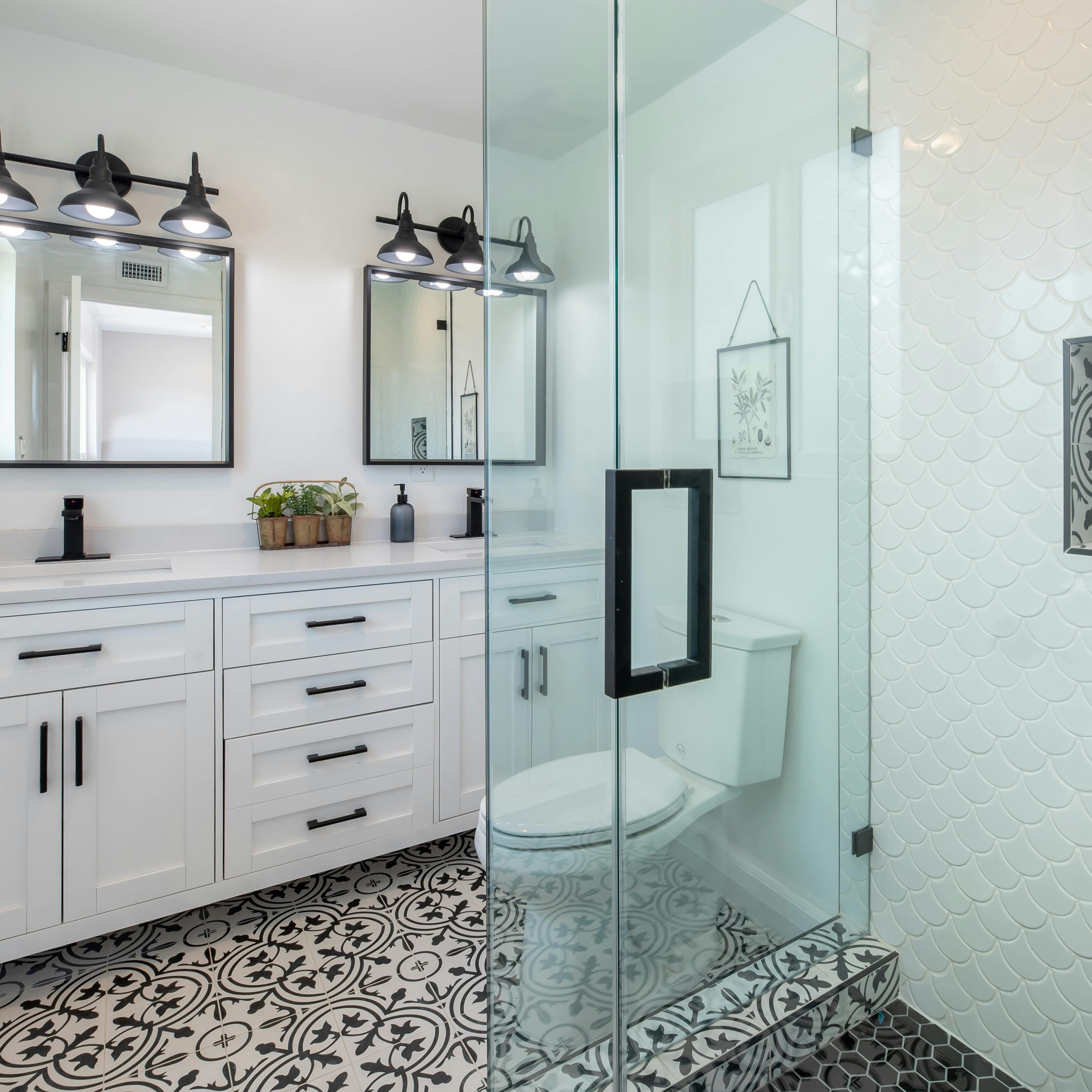
Engineering exceptional hardware requires precise material selection. Our engineering facility operates under structured quality workflows designed to enhance mechanical resilience across all target metrics:
| Component Parameter | Standard Specification | Mali Climatic Optimization Matrix |
|---|---|---|
| Alloy Designation | Austenitic Stainless Steel SUS304 / Solid H59 Brass | Defeats pitting corrosion from localized high humidity and Harmattan dust accretion. |
| Tensile Strength Threshold | ≥ 520 MPa | Withstands sudden architectural settling and horizontal wind shear loads. |
| Surface Finishing Protocols | PVD Electroplating, Multi-layer Chrome, Brushed Satin | Resists aggressive chemical detergents used in industrial maintenance. |
| Glass Thickness Accommodation | 6mm (1/4") to 12mm (1/2") Adjustable Grip Channels | Universal internal gaskets prevent hardware-to-glass direct structural contact. |
Furthermore, our upcoming technical development path incorporates specialized adjustable telescopic support mechanisms. These systems allow structural installers in the field to calibrate structural tension post-mounting, effectively nullifying alignment variances without requiring complete teardowns. This adaptive capacity drastically reduces installation labor costs for architectural contractors across remote sub-Saharan regions.
Founded in 2012, Guangzhou Nova Glass Door Co., Ltd. has grown from a specialized precision facility into a primary global manufacturer within the structural glass hardware industry. Based in Guangzhou, China—the world's most robust manufacturing and logistics hub—our advanced industrial footprint spans approximately 6,000 square meters of highly optimized manufacturing space. Operated by more than 80 skilled craftsmen, technicians, and QA specialists, our facility delivers architectural hardware engineering that integrates modern aesthetics with reliable mechanical protection.
Our comprehensive production infrastructure utilizes high-speed automated casting machines, high-precision multi-axis CNC lathes, and standard automated surface treating assembly systems. This concentrated technical focus allows us to comfortably process large-scale international commercial hardware contracts while maintaining rigorous component consistency. By maintaining end-to-end control over our supply chain—ranging from initial raw material metallurgy validation to deep-vacuum stress assessments—we guarantee that every batch exported to West Africa satisfies rigorous international structural metrics.
Recognizing the distinct complexities associated with international transport networks serving landlocked nations like Mali, our specialized export division provides comprehensive logistics workflows. By leveraging optimized sea-freight lanes via key entry hubs including Dakar (Senegal) and Abidjan (Ivory Coast), paired with reliable overland transit networks connecting directly to Bamako, Nova Glass Door ensures predictable delivery times. We manage all export customs clearance processing, multi-layer secure moisture-proof packing, and regional logistics documentation, minimizing supply chain vulnerabilities for our trade partners.
Working alongside international engineering houses requires meticulous regulatory documentation. Our entire manufacturing workflow aligns with EN 1991-1-4 (Eurocode Actions on Structures - Wind Actions) and complies with EN 1154 European standards for hardware endurance profiles. For developers in Mali navigating localized construction codes, we provide formal structural calculations, load safety documentation, and localized installation support guidelines written in both French and English.
To further protect large commercial investments, our engineering division offers remote structural consulting and blueprint review services. When regional contractors encounter unusual wall angles, complex floor plans, or extra-heavy structural loads, our engineers draft custom mounting schemes. This specialized assistance prevents field errors, minimizes material waste, and guarantees that the glass support mechanisms perfectly balance physical forces throughout the building's lifecycle.
Connect directly with our Guangzhou engineering office to request engineering calculations, physical product samples, or accurate wholesale pricing for your upcoming commercial developments in Mali.
Send Inquiry Now → Nova Glass Door