In modern architectural design, the integration of sliding glass door systems is critical for optimizing space, maximizing natural light, and achieving minimalist design aesthetics. However, the operational reliability and life expectancy of these heavy architectural components depend on a single engineering assembly: the glass door track roller. Often overlooked, these precision-engineered rolling mechanisms act as the load-bearing foundation that translates static architectural structures into quiet, dynamic spatial solutions.
For B2B procurement officers, developers, project managers, and glass hardware distributors, finding the right manufacturer is a strategic challenge. A failure in track roller performance leads to structural sag, unaligned panels, high rolling resistance, loud operating noise, and expensive field replacements. This comprehensive whitepaper provides in-depth technical analysis, global supply chain insights, and material science reviews to help professionals make informed sourcing decisions.
Global procurement teams must balance mechanical performance with cost efficiency. Depending on whether hardware is sourced for residential shower enclosures, glass office partitions, or heavy exterior sliding storefronts, specifications vary widely. Common concerns during the sourcing process include:
Understanding raw materials is key to selecting the right track rollers. The table below lists the performance specs of common wheel and bearing materials used by leading factories:
| Material Component | Common Types / Grades | Ideal Application Environment | Key Performance Metrics |
|---|---|---|---|
| Outer Wheel Polymer | Polyoxymethylene (POM / Delrin) | High-end residential, interior offices | Self-lubricating, high wear resistance, low noise, prevents flat spots. |
| Heavy Duty Outer Shell | Fiberglass Reinforced Nylon | Commercial office partitions, heavy glass doors | High load capacity, excellent structural strength, low deformation rate. |
| Internal Ball Bearings | Chrome Steel (Gcr15) vs. SUS440C | Dry interiors (Chrome) / Wet zones (Stainless) | Precise movement, long service life, high radial load handling. |
| Housing Bracket | SUS304 / Die-Cast Zinc Alloy | High-humidity bathrooms, luxury outdoor systems | Excellent rust resistance, strong load support, clean modern look. |
Engineered with double-contact rubber seals and an outer metallic dust shield to prevent dust, steam, and cleaning chemicals from degrading the bearing grease.
Precision-milled track paths combined with custom-formulated POM outer wheels absorb vibration, delivering a smooth glide that meets strict modern acoustic standards.
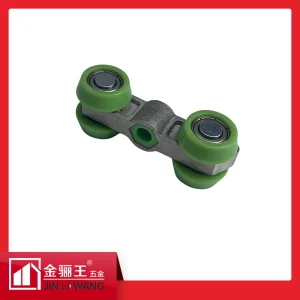
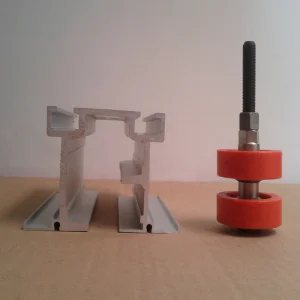
Our dual-wheel carriage designs automatically pivot to distribute weight evenly, accommodating slight track misalignments and preventing concentrated point wear.
Architectural glass installations require tailored hardware solutions. A generic roller cannot meet the demands of both a light residential bathroom and a heavy commercial storefront. Leading manufacturers design systems for specific industry needs:
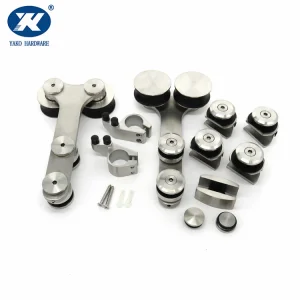
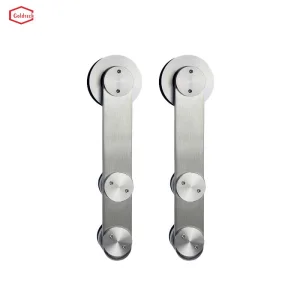
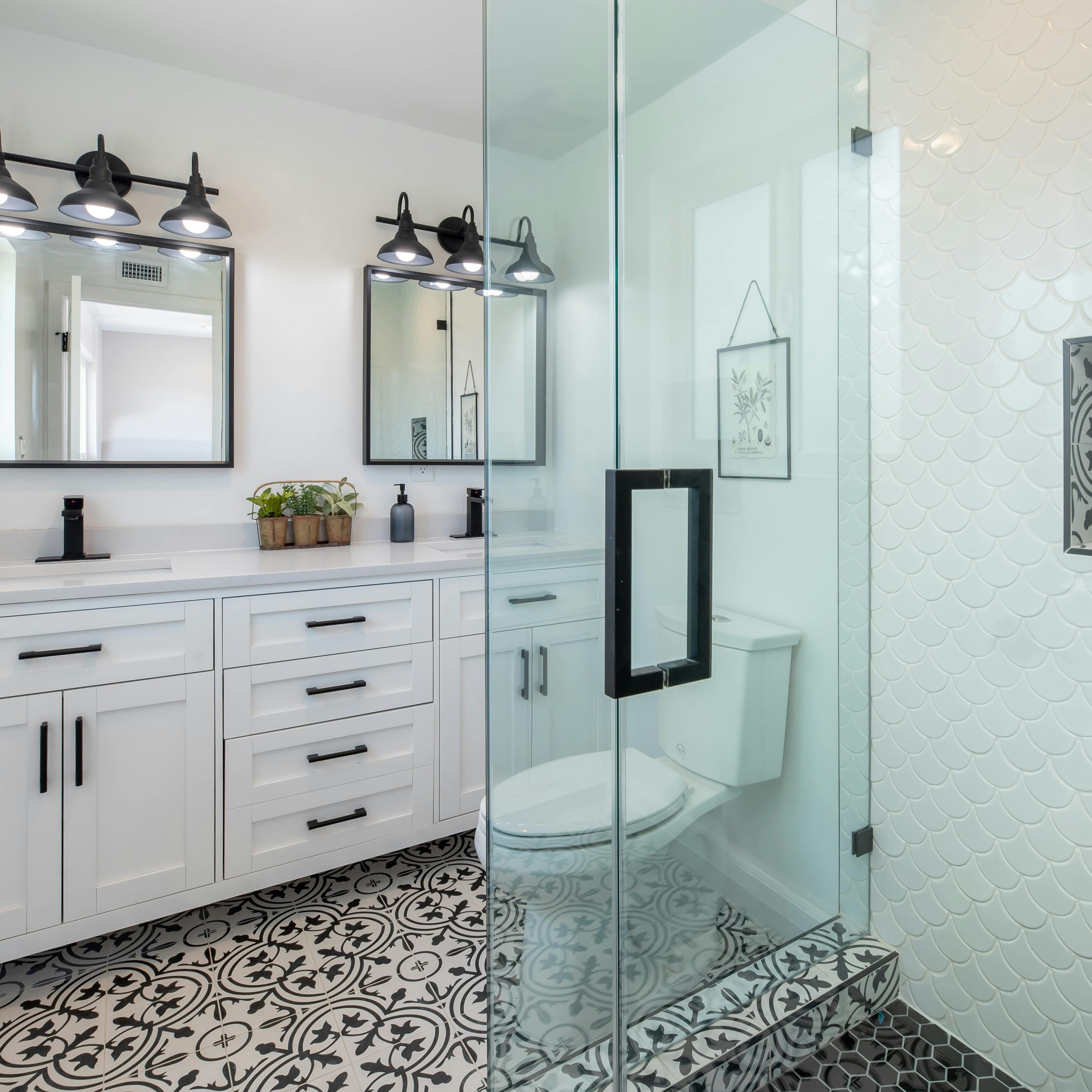
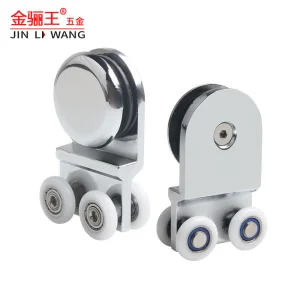
1. Hospitality & High-End Residential Wellness: Luxury hotels and modern apartments rely on sliding glass doors to save space. Here, corrosion-resistant frameless shower door track kits are essential. These systems feature exposed SUS304 bar tracks and large, polished rollers that resist continuous exposure to steam, hard water, and acidic personal care products.
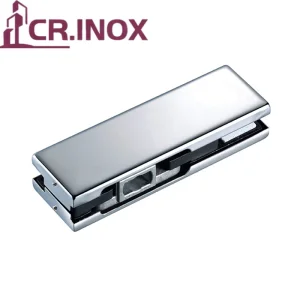
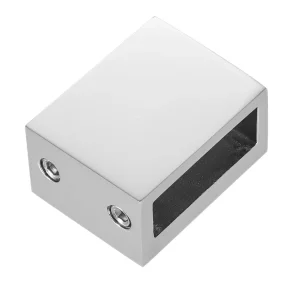
2. Commercial Office Subdivisions: Corporate designs often feature glass-partitioned meeting rooms. These systems prioritize acoustic control and smooth, reliable operation. Integrated wall-component sliding rollers and bottom patch fittings allow large glass walls to move quietly, maintaining a quiet office environment.
3. Heavy-Duty Retail Entrances: Commercial storefronts require large, heavy glass doors that operate continuously. These systems require heavy-duty floor springs and multi-wheel carriage assemblies that can handle daily cycles and support panels weighing up to 120kg without sagging.
The architectural hardware industry is evolving, driven by innovations in smart building integration, new materials, and advanced manufacturing. Key trends shaping the future of sliding glass hardware include:
Specify door weight, glass thickness, and acoustic/environmental requirements.
Select grade SUS304/SUS316 steel and premium polymers for wheels.
CNC-machine brackets and tracks for precise alignment and movement.
Run dynamic stress tests up to 100k cycles to ensure reliability.
Founded in 2012, Guangzhou Nova Glass Door Co., Ltd. has grown from a specialized workshop into a reliable, modern manufacturer in the architectural glass hardware industry. Based in Guangzhou, China, the company designs and manufactures high-performance solutions for residential, commercial, and office spaces.
Nova Glass Door operates a 6,000 square meter factory staffed by over 80 skilled workers and an experienced engineering team. Equipped with advanced production machinery and strict quality control protocols, the company maintains high consistency across its entire product range, including glass clamps, door closers, hinges, patch fittings, and sliding track rollers.
Nova Glass Door serves both domestic and international markets, exporting to North America, Europe, Southeast Asia, and the Middle East. Combining modern design concepts with practical engineering, Nova builds long-term partnerships with distributors, contractors, and developers worldwide.
International building codes require architectural hardware to meet strict safety and durability standards. High-quality track rollers undergo rigorous testing before shipping to jobsites:
Mechanical Wear & Lifetime Testing: Hardware must comply with standards like EN 1527 (which regulates hardware for sliding and folding doors). Certified products undergo automated testing of 100,000 to 200,000 open/close cycles under full load to ensure long-term performance.
Corrosion Testing (Salt Spray Test): To ensure durability in wet conditions, metal parts are tested in salt-fog chambers according to ASTM B117 or EN 1670. Premium hardware achieves Grade 4 or Grade 5 ratings, indicating excellent corrosion resistance.

 Nova Glass Door