Engineered for safety, durability, and seamless integration.
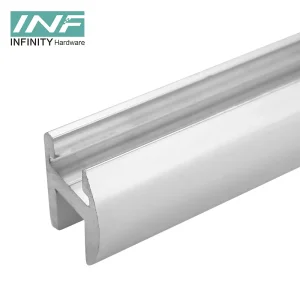
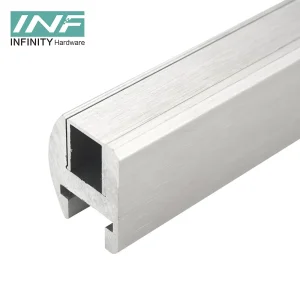
China Factory Price Customization Shower Glass Door Roller Sliding Door Accessories Aluminum Track
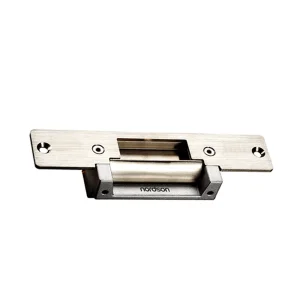
Fail-Secure Adjustable Glass Door Custom Electric Strike Electronic Electric Door Strike
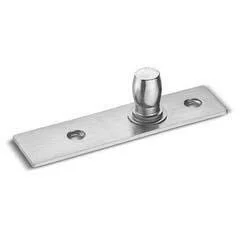
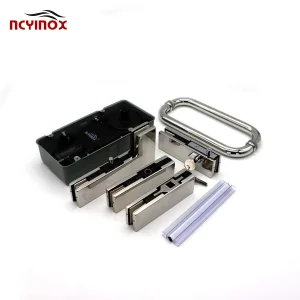
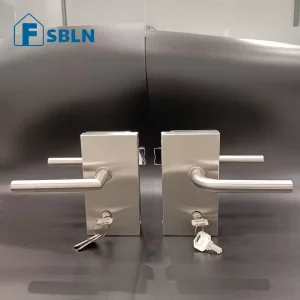
Bln Hot Sale Office Stainless Steel Swing Glass Door Lock Handle with Stain Finish
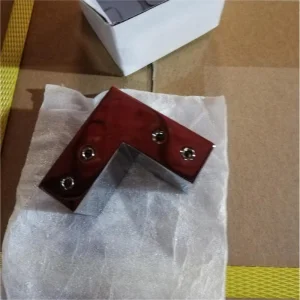
Durable Modern Style Apartment Shower Room Dedicated Hardware Pipes and Connectors
In the contemporary architectural landscape, the Magnetic Lock (Maglock) has transitioned from a niche security component to a fundamental element of smart building ecosystems. For glass doors—frequently utilized in corporate headquarters, premium retail spaces, and high-end residential projects—the challenge lies in balancing extreme physical security with aesthetic transparency.
The global magnetic lock market is projected to witness a CAGR of over 6.5% through 2030, driven by the shift toward touchless access control and the integration of IoT-enabled building management systems (BMS). Procurement directors are no longer just looking for a "magnet"; they are seeking interoperability, energy efficiency, and compliance with international fire safety standards.
Future magnetic locks are moving toward Bluetooth Low Energy (BLE) and NFC integration. We are seeing a shift from simple power-on/off mechanisms to locks with built-in Hall-effect sensors that monitor door position and lock status in real-time, feeding data directly to the cloud.
High-efficiency solenoids and reduced-heat designs are becoming mandatory. Modern maglocks utilize pulse-width modulation (PWM) to reduce power consumption by up to 40% after the initial strike, aligning with LEED and green building certifications.
Anti-residual magnetism features are being perfected. By using proprietary alloys and specialized surface coatings (like Nano-plating), factories are ensuring that doors release instantly even after years of continuous magnetic engagement.
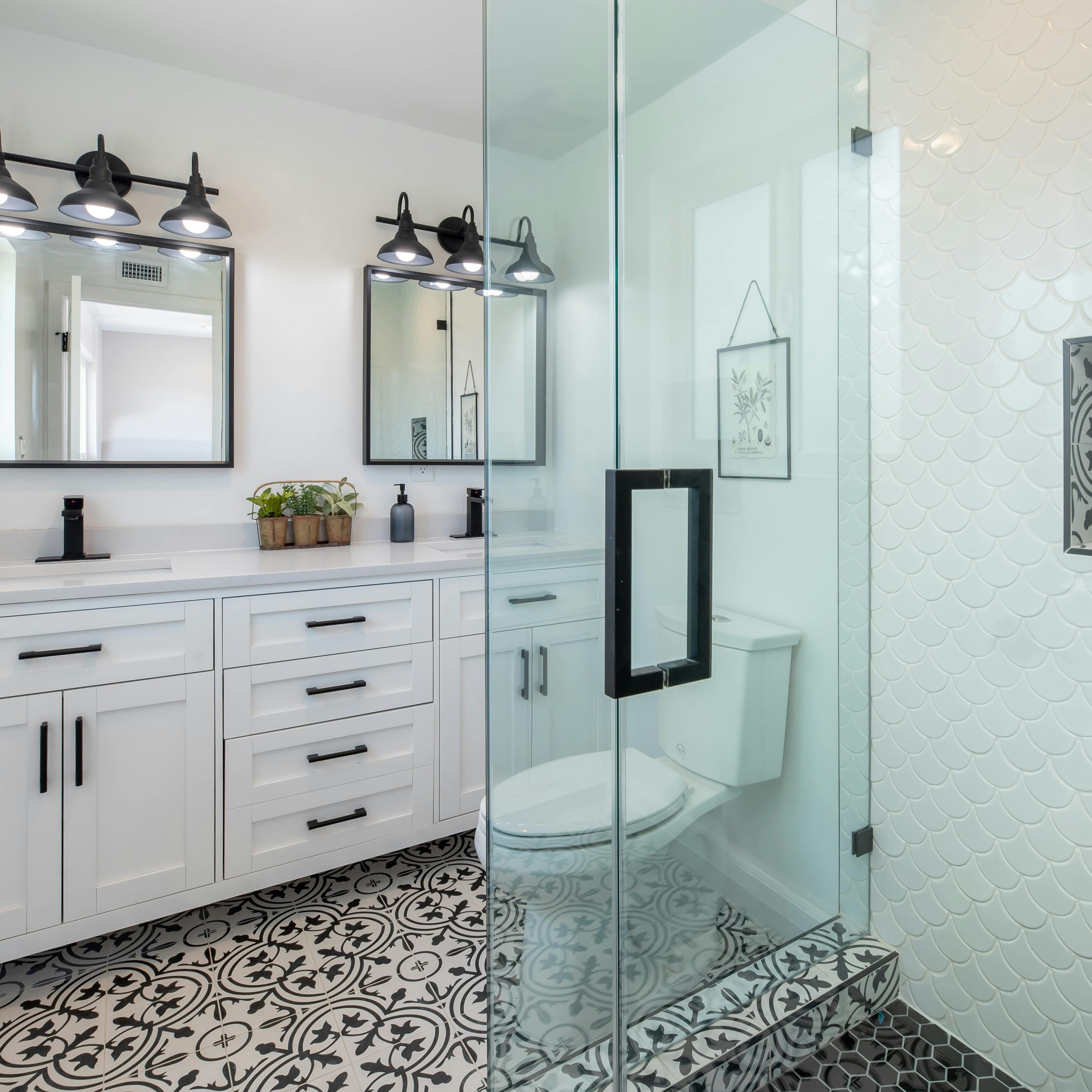
Guangzhou Nova Glass Door Co., Ltd. stands as a paragon of the "China Industry 4.0" initiative. Located in the heart of the Pearl River Delta, Nova leverages advanced manufacturing to provide more than just hardware—they provide architectural assurance.
Founded in 2012, Nova has evolved from a specialized workshop into a global hub for glass hardware. Operating within a 6,000 square meter facility, the company employs over 80 skilled technicians who utilize CNC precision machining and automated testing rigs to ensure every product meets the rigorous demands of North American and European markets.
Our commitment to efficiency and supply chain agility allows us to maintain stable lead times even during global logistics fluctuations, making us a preferred partner for large-scale commercial developments.
Navigating UL (Underwriters Laboratories), CE (Conformité Européenne), and RoHS (Restriction of Hazardous Substances) is non-negotiable. Our magnetic locks are designed to meet fire-exit requirements (Fail-Safe), ensuring safety in emergency power-loss scenarios.
We provide localized engineering support. Whether it's adjusting the voltage requirements (12V/24V/48V) or designing custom brackets for frameless glass doors (U-brackets/L-brackets), our technical team adapts to regional architectural standards.
With E-E-A-T principles at our core, we offer full traceability. Every batch of 304 stainless steel or high-grade electromagnetic coil is documented, ensuring that "Quality" is a verifiable fact, not just a marketing claim.
High-performance hardware for residential, commercial, and office applications.
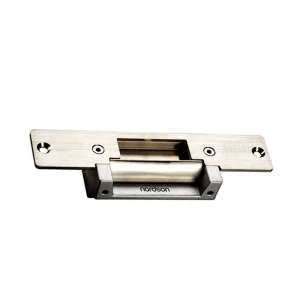
Fail-Secure Adjustable Glass Door Custom Electric Strike Magnetic Electromagnetic Lock
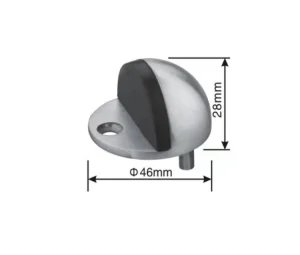
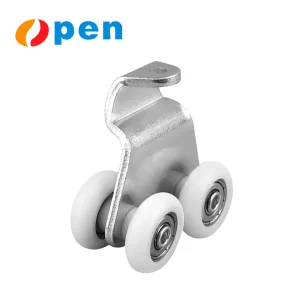
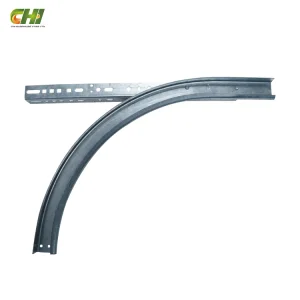
Sliding Shower Door Rollers with 696 Arc Pulleys for Cabinets and Sliding Doors
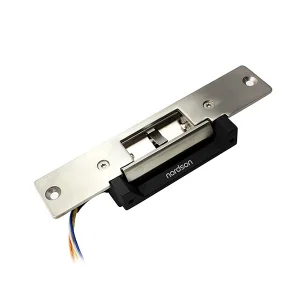
Fail-Secure / Fail-Safe 12VDC Stainless Steel Narrow Mouth ANSI Glass Door Electric Strike Lock
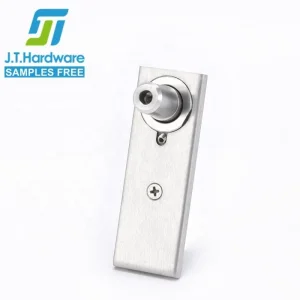
Stainless Steel Crl 1nt403 Adjustable Bottom Free Swinging Pivot Top Pivot for Glass Door
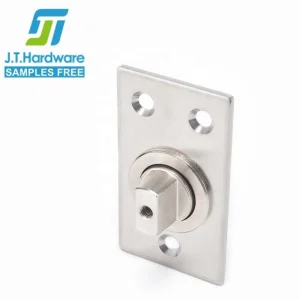
Factory Direct Sale Stainless Steel 304 Frameless Glass Swing Door Spring Pivot
 Nova Glass Door