In modern architectural designs characterized by frameless aesthetics, managing the interface between structural glass units requires advanced engineering solutions. The F-shape glass seal acts as a critical line of defense in maintaining environmental separation. Unlike traditional profile systems, the F-shape design leverages asymmetric deflection dynamics. It features a rigid base channel (or spine) that grips the edge of a glass pane (typically ranging from 8mm to 12mm in thickness) and a flexible, extended flange protruding outward. This flange serves as a continuous sweep or barrier, filling the expansion gaps between overlapping sliding panes, shower enclosures, or swing doors.
The effectiveness of an F-shape seal relies on its engineering material profile. Contemporary manufacturers employ co-extrusion technology to join dual-durometer compounds:
Ensures the seal remains securely anchored to the glass edge without migrating or slipping over time, even under heavy cycles of kinetic impact from sliding doors.
Provides a soft, low-friction contact surface that compresses under mechanical pressure without tearing, creating a reliable barrier against moisture and air.
Protects the polymer matrix from degrading or turning yellow when exposed to UV radiation and prevents microbial colonization in high-humidity areas.
To ensure a reliable installation, installers must evaluate the structural gap spacing. A gap too wide compromises the deflection force of the extended flange, leading to water bypass. Conversely, a gap that is too narrow increases drag resistance, which accelerates wear and can cause the seal to delaminate.
Global sourcing agents, industrial building suppliers, and OEM contractors face distinct challenges when importing F-shape glass seals. In the commercial construction market, architectural specifications demand strict compliance with international building regulations, material durability metrics, and green building standards. When vetting potential suppliers, procurement teams focus on three key criteria:
| Evaluation Parameter | Technical Threshold | Critical Sourcing Impact |
|---|---|---|
| Shore Hardness Consistency | Base: 78±2 Shore D; Flange: 58±3 Shore A | Prevents premature cracking at the hinge point under high-frequency operational cycles. |
| UV Degradation Resistance | ASTM G154 Cycle 1 (1000 hrs exposure) | Maintains optical clarity and material flexibility, preventing yellowing and brittleness. |
| Dimensional Tolerances | ISO 2768-m (Fine-to-medium class: ±0.15mm) | Ensures friction-fit alignment, eliminating the need for messy liquid silicone adhesives during installation. |
| Chemical Resilience | No degradation from standard household cleanings | Guarantees compatibility with glass cleaners, preventing chemical stress-cracking. |
B2B buyers should also consider packaging configurations. Deformed weatherstripping profiles can develop permanent kinks during shipping, rendering them unusable. Leading exporters address this by packaging seals in rigid, heavy-duty cardboard tubes rather than coiled rolls. This ensures the components arrive flat, straight, and ready for installation on site.
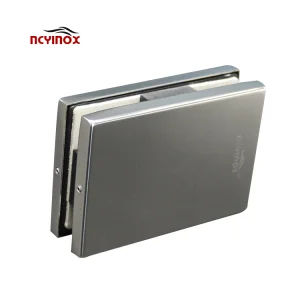
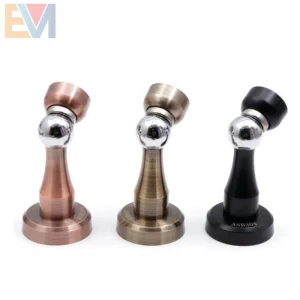
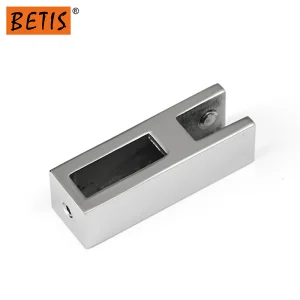
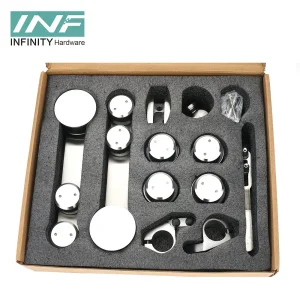
An F-shape glass seal does not work in isolation; it functions as part of a larger architectural glass system. In modern construction projects like luxury hotels, premium offices, and high-end residential towers, the performance of the seal is directly tied to the surrounding hardware, including sliding tracks, patch fittings, and door closers.
For instance, when designing high-traffic sliding glass doors, engineers must balance the friction of the sliding mechanism with the draft resistance of the seals. Heavy-duty roller tracks must support the glass weight without sagging, while the F-shape seal must provide a continuous barrier without adding excessive drag that could strain automatic closures.
This is why top-tier developers prefer suppliers that offer integrated solutions. Selecting hardware components like patch fittings, floor springs, and co-extruded plastic seals from a single manufacturer ensures proper alignment, dimensional compatibility, and long-term durability.
Founded in 2012, Guangzhou Nova Glass Door Co., Ltd. has grown from a specialized workshop into a reliable supplier in the glass hardware and sealing industry. Operating from a modern 6,000-square-meter facility in Guangzhou, China, the company employs over 80 skilled professionals and maintains a dedicated technical team.
Nova Glass Door specializes in providing integrated hardware solutions for residential, commercial, and office applications. Their product lineup includes glass clamps, door closers, glass hinges, handles, and custom extrusion sealing systems designed for durability, safety, and modern aesthetics.
To support international projects, Nova Glass Door exports its products to Europe, North America, Southeast Asia, and the Middle East. Combining professional manufacturing experience with modern design principles, the company delivers dependable glass hardware and sealing solutions, building long-term partnerships with customers worldwide.
The glass seal industry is shifting away from traditional single-material PVC profiles toward advanced elastomer compounds. Architectural designs continue to push boundaries with larger, heavier frameless glass assemblies, which place higher performance demands on sealing components. Sourcing agents should keep an eye on three emerging material trends:
Thermoplastic Elastomers (TPE) offer better elastic recovery and flex fatigue resistance than standard PVC. They maintain their physical properties across a wider temperature range (-40°C to +120°C), making them ideal for exterior applications exposed to harsh weather.
As environmental regulations tighten, manufacturers are replacing traditional phthalate plasticizers with vegetable-oil-based alternatives. These new formulations comply with REACH and RoHS standards while matching the flexibility and durability of standard PVC.
For high-humidity bathroom environments, next-generation seals incorporate silver-ion-based antimicrobial additives directly into the polymer melt. This provides active, long-lasting resistance against mold and bacterial growth.
By upgrading to these advanced materials, building owners can extend the maintenance interval of their frameless glass assemblies, reducing the overall lifecycle costs of commercial real estate.
International trade requires strict adherence to local building codes and standards. An F-shape glass seal used in a commercial high-rise in Frankfurt must meet different regulatory standards than one installed in a hotel in Miami. Sourcing teams must ensure their supplier partners can provide proper certification documentation, including:
Additionally, working with a manufacturer that provides customized packaging, localized labeling, and customs support helps streamline logistics and prevents clearance delays at international ports.
 Nova Glass Door