Explore our precision-engineered components designed for commercial frameless installations, automatic interfaces, and heavy-duty pivot structural lines.
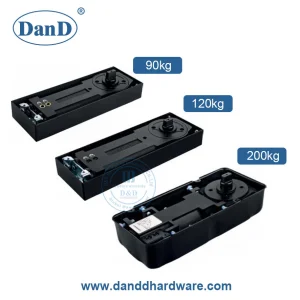
In modern architectural spatial design, structural safety, system dampening, and aesthetic integration are vital. Double action floor springs serve as the fundamental mechanical anchor for high-traffic glass door entry systems.
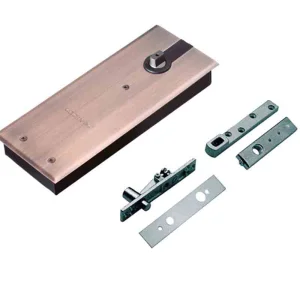
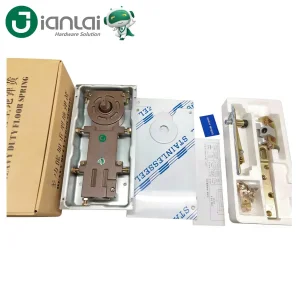
Double action floor springs are self-closing devices installed beneath the floor level, engineered to facilitate bidirectional opening angles (typically 90 degrees in both directions, extending to 110 or 130 degrees limits) while providing critical hydraulic buffering. The hardware is subject to harsh physical demands: continuous mechanical fatigue, high wind load resistance, and temperature variations affecting oil viscosity. Selecting the correct manufacturer involves evaluating engineering standards, metallurgical integrity, and hydraulic consistency.
According to Global Architectural Hardware Benchmarks, a double action floor spring is not just a hinge; it is a life-safety and accessibility compliance device. Modern systems must conform to international standards such as EN 1154 (Controlled Door Closing Devices) and ANSI/BHMA A156.4. These standards dictate structural performance metrics, including cycle testing longevity (minimum 500,000 to 1,000,000 operations), corrosion resistance, and thermal adaptation.
A comprehensive examination of design variations, hydraulic mechanism advancements, and thermal behavior characteristics.
Dual-cylinder designs isolate the closing speed regulation loop from the latching action. This reduces internal seal friction, prevents premature fluid leakage, and extends the operational life cycle of high-traffic doors.
High-performance floor springs utilize German-origin synthetic hydraulic fluid. This oil maintains constant kinematic viscosity indexes across temperature variations from -40°C to +50°C, ensuring stable closing times year-round.
Built-in pressure relief safety valves protect the hydraulic chamber from damage during forced closing. This prevents physical frame breakage under high-velocity wind loads or misuse.
| Performance Grade (EN 1154) | Door Width Limits (mm) | Max Door Weight Capacity (kg) | Closing Torque (Nm) | Recommended Application Context |
|---|---|---|---|---|
| Size 3 | ≤ 950 mm | 80 - 100 kg | 18 - 26 Nm | Standard Interior Glass Partition Office Doors |
| Size 4 | ≤ 1100 mm | 100 - 120 kg | 26 - 37 Nm | Commercial Retail Storefront Outer Glass Doors |
| Size 5 | ≤ 1250 mm | 120 - 150 kg | 37 - 54 Nm | Heavy-Duty High-Traffic Airport/Station Vestibules |
| Size 6 | ≤ 1400 mm | 150 - 250+ kg | 54 - 87 Nm | Extra Heavy Structural Glass/Steel Pivot Portals |
How top-tier suppliers address complex environmental demands and engineering specs for modern commercial real estate.
In high-traffic commercial spaces like shopping malls and transport hubs, door control systems face continuous operational stress. Industrial-grade floor springs utilize forged steel internal spindles and heat-treated piston rods to minimize wear over millions of opening cycles.
Furthermore, adjustable spatial alignment mechanisms (XYZ axes) are essential. These adjustments allow installers to correct alignment errors after concrete curing, preventing door scraping and ensuring clean lines in frameless glass installations.
Coastal and high-humidity environments require enhanced corrosion protection. Top manufacturers utilize 304 or 316-grade stainless steel cover plates combined with electro-galvanized cast-iron body shells and polyurethane protective seals. These measures protect the internal mechanism from saltwater corrosion and humidity damage.
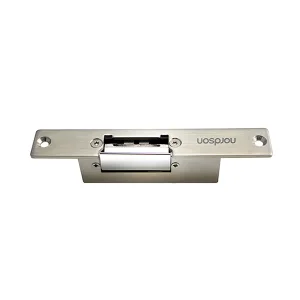
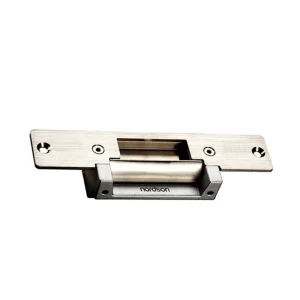
The industry is shifting toward combining mechanical floor closers with smart electromagnetic control systems. Integrating delay valves, lock status sensors, and fail-secure electronic strike plates helps control the entry and exit flow while maintaining fire emergency escape paths.
Highlighting Guangzhou Nova Glass Door Co., Ltd. and their contributions to the global architectural hardware supply chain.

Founded in 2012, Guangzhou Nova Glass Door Co., Ltd. is a professional manufacturer specializing in glass door systems and architectural glass hardware. Located in Guangzhou, China, the company provides high-quality solutions for residential, commercial, and office glass door applications. The main product range includes glass clamps, door closers, glass hinges, glass door handles, and related hardware accessories designed for durability, safety, and modern aesthetics.
Nova Glass Door has grown from a small workshop into a reliable supplier in the glass hardware industry. With more than 80 skilled employees and a dedicated technical team, the company operates in a modern production facility covering approximately 6,000 square meters. The factory is equipped with advanced manufacturing machinery and strict quality control systems to ensure consistent product performance.
Over the years, Nova Glass Door has expanded its presence in both domestic and international markets, exporting products to Europe, North America, Southeast Asia, and the Middle East. They are committed to continuous innovation, efficient production, and customer-focused service.
Key indicators procurement managers use to assess technical capability and verify product compliance.
Ensure the supplier provides third-party certification reports (such as Intertek, SGS, or TUV) showing compliance with EN 1154 or UL 228. These standards are critical for legal compliance in Europe and North America.
Look for manufacturers offering comprehensive OEM services. This includes custom spindle profiles, specialized finishes (PVD, matte black, oil-rubbed bronze), and structural integration with different patch fittings.
Verify that the factory utilizes advanced testing rigs to load-test every batch before shipment. Reliable suppliers offer transparent logistics tracking, secure packaging, and comprehensive warranties.
Understanding the key competitive advantages, manufacturing focuses, and target markets of the industry's leading players.
When searching for a double action floor spring factory or supplier, global buyers categorize manufacturers into three primary tiers. Understanding these tiers helps align your project requirements with the right supplier capability:
Choosing the right tier depends on your specific balance of budget, structural certification requirements, and custom branding needs. Premium mid-tier manufacturers like Nova Glass Door offer a strong balance of performance, versatility, and cost efficiency for large-scale commercial developments and regional distributors alike.
Common technical, installation, and procurement questions from architects, specifiers, and purchasing managers.
A double-action floor spring allows the door to open in both directions (inward and outward) and automatically return to the center closed position. It uses a centered pivot spindle. A single-action floor spring only allows the door to open in one direction (usually dictated by a stop frame) and is typically offset, commonly used for rebated doors or doors requiring tight perimeter weather seals.
Selecting an under-rated floor spring for a heavy glass door leads to poor closing control, vulnerability to wind loads, and premature seal failure. Conversely, using an over-rated floor spring on a light door makes it difficult to open, which violates building accessibility standards (such as the ADA). You must match the door width and mass to the EN size (ranging from Size 1 to Size 6) to ensure safe and reliable operation.
Standard hydraulic oil becomes more viscous (thicker) in freezing temperatures, causing the door to close too slowly, and thinner in hot weather, causing it to slam shut. Premium manufacturers use temperature-compensated synthetic oil with high viscosity indexes. This oil maintains stable viscosity from -40°C to +50°C, ensuring consistent closing performance without constant manual valve adjustments.
Dual-cylinder floor springs utilize separate chambers for the closing cycle (typically 90° to 15°) and the latching cycle (15° to 0°). This configuration allows precise speed adjustments for each zone, reduces mechanical stress on the internal seals, prevents oil bypass leaks, and ensures a smooth, quiet latching action.
High-quality floor springs are housed inside a cement box that allows for physical adjustment. By loosening the internal adjustment bolts, the installer can move the entire closer body along the X-axis (lateral), Y-axis (depth), and Z-axis (height/level). This helps correct misalignment issues caused by shifts in the subfloor.
A hold-open floor spring is designed to hold the door open at a set angle (typically 90° or 105°) to allow free passage when needed. For fire-rated barrier doors, non-hold-open floor springs are required to ensure the door closes automatically in an emergency. Alternatively, electromagnetic hold-open closers can be integrated into the building's fire alarm system.
A commercial-grade floor spring compliant with EN 1154 Grade 8 must pass a minimum of 500,000 open/close cycles without mechanical failure or fluid loss. Premium models are tested to over 1,000,000 cycles, providing long-term reliability in high-traffic applications.
For marine or high-humidity applications, specify floor springs with cast iron bodies coated in anti-rust primers, paired with SS304 or SS316 stainless steel cover plates. Additionally, use high-durability rubber gaskets to seal the cement box from moisture ingress.
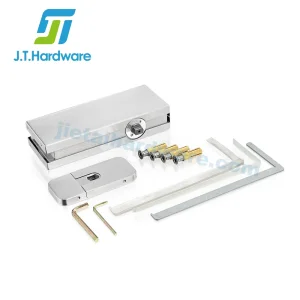
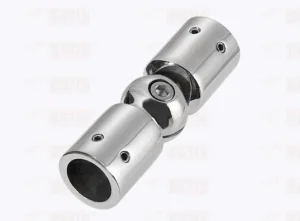
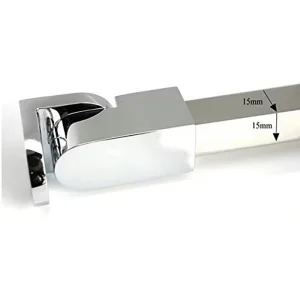
Browse our selection of heavy-duty floor hinges, security locks, and support brackets designed to complete your glass installation projects.


 Nova Glass Door