In modern structural architecture, the performance requirements for building envelopes and internal partitions have intensified. The demand for customized glass door sealing strips is no longer driven merely by dust and water management; it has evolved into a multi-billion dollar industrial sector focused on energy conservation, acoustic performance (STC ratings), cleanroom pressure maintenance, and structural longevity.
As commercial buildings globally transitions towards sustainable certifications like LEED v4.1 and Passive House standards, seal interfaces have become crucial. Glass assemblies must prevent conditioned air leakage, balance dynamic wind loads, and absorb architectural settlement. Glass door seals act as structural expansion dampeners and pressure barriers, ensuring minimal structural wear while optimizing thermal performance.
Modern projects require testing against international standards including ASTM E283 for air infiltration, ASTM E90 for laboratory transmission loss, and UL 94 for flammability ratings. Advanced silicone and EPDM profiles are critical to meeting these stringent safety and performance codes.
Achieving the perfect balance of compression set, elasticity, UV resistance, and optical clarity requires sophisticated elastomeric compounds. Advanced dual-durometer co-extrusion technology enables manufacturers to fuse a rigid backing (for secure mechanical attachment to the glass edge) with an ultra-flexible sealing bulb (for smooth compression with minimal closing force).
| Elastomeric Compound | Hardness Shore A | Temperature Range | Key Strengths & Ideal Applications | Acoustic Performance |
|---|---|---|---|---|
| Silicone Elastomer | 50 - 75 | -60°C to 200°C | Exceptional UV stability, non-yellowing, food-grade safe. Ideal for frameless glass shower enclosures and cleanrooms. | Moderate to High (STC 32-38) |
| EPDM (Dense & Sponge) | 60 - 80 | -40°C to 125°C | Superior ozone/weather resistance, highly resilient under repeated compression cycles. Ideal for exterior building facades. | High (STC 35-42) |
| TPE / TPV (Thermoplastic) | 40 - 90 | -45°C to 135°C | 100% recyclable, allows complex co-extrusion geometries and color-matching options for interior architectural systems. | Moderate (STC 30-36) |
| Rigid/Soft PVC Co-extrusion | 70 (Base) / 45 (Flap) | -15°C to 60°C | High visual clarity, clip-on design without adhesives, highly customizable sweep lips for bottom-of-door installation. | Standard (STC 28-32) |
Low-quality compounds degrade over time, leading to gaps, seal failure, and drafts. Quality manufacturer-engineered compounds are formulated to maintain thickness and elastic recovery after millions of cycles.
Acoustic control is critical for modern offices and hotels. Precision dual-fin seal configurations reduce air gaps, dampening sound waves and blocking sound transmission between rooms.
Bathrooms and humid spaces are breeding grounds for mold. Advanced seal strips include antimicrobial additives within the polymer chain, preventing black mold growth and material decay.
The hardware and sealant industry is undergoing a digital and material revolution. Design aesthetics demand "invisible" support systems, shifting the mechanical burden onto structural glass clamps and highly optimized, low-profile seal strips.
Self-centering magnetic profiles integrated within EPDM and silicone strips ensure sliding and pivoting doors always align to a central axis. This reduces mechanical stress on top patch pivots, hinges, and floor springs, extending the lifespan of structural hardware.
Replacing traditional fossil-fuel plasticizers with plant-derived alternatives helps architects meet strict carbon reduction targets. Modern recyclable thermoplastic elastomers (TPE) maintain key performance properties while reducing environmental impact.
With the rise of minimalist slim-frame glass partitions, seal designs are moving toward sub-3mm profiles. Clear polycarbonate gaskets and co-extruded clear seal strips provide structural reliability without disrupting architectural transparency.
Different building environments pose unique physical demands. Selecting the correct combination of hardware, glass thickness, and sealing systems ensures safety, durability, and compliance.
Modern corporate workspaces require acoustic privacy. Our dry-glaze visual wall systems use custom-profile PVC and silicone bulb gaskets, paired with high-performance glass door patch fittings. This design maintains acoustic levels (up to STC 40) in meeting rooms while retaining light and visibility.
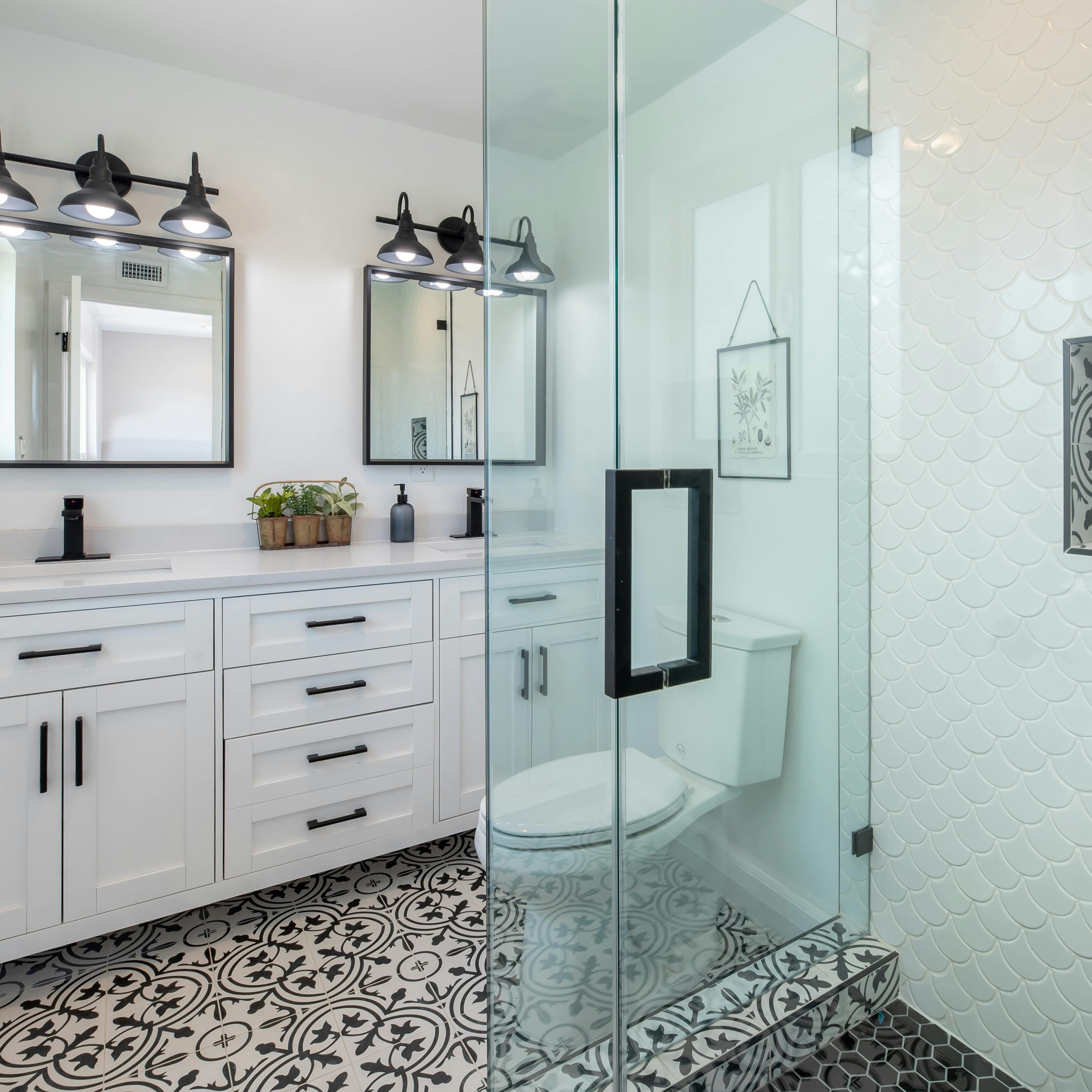
Luxury hotel bathrooms require components that balance aesthetic design with high durability. Glass shower doors use anti-microbial co-extruded bottom sweeps alongside heavy-duty brass support bars and pivots to prevent water leakage and ensure smooth, quiet operation.
Freezer doors and pharmaceutical cleanroom airlocks require sealing systems that prevent air leakage. Food-grade silicone door gaskets, coupled with heavy-duty locks and positioning hinges, maintain constant internal temperatures and control air pressure.
Guangzhou Nova Glass Door Co., Ltd. is a professional manufacturer specializing in glass door systems and architectural glass hardware. Located in Guangzhou, China, the company focuses on providing high-quality solutions for residential, commercial, and office glass door applications. Our main product range includes glass clamps, door closers, glass hinges, glass door handles, and other related hardware accessories designed for durability, safety, and modern aesthetics.
Founded in 2012, Nova Glass Door has steadily grown from a small workshop into a reliable supplier in the glass hardware industry. With more than 80 skilled employees and a dedicated technical team, the company operates in a modern production facility covering approximately 6,000 square meters. Our factory is equipped with advanced manufacturing equipment and strict quality control systems to ensure consistent product performance.
Over the years, Nova Glass Door has expanded its presence in both domestic and international markets, exporting products to Europe, North America, Southeast Asia, and the Middle East. We are committed to continuous innovation, efficient production, and customer-focused service.
By combining professional manufacturing experience with modern design concepts, Guangzhou Nova Glass Door Co., Ltd. aims to provide dependable glass door hardware solutions and build long-term partnerships with customers worldwide.
Find expert answers to common technical questions about glass door seals, hardware installations, and material selection.
 Nova Glass Door