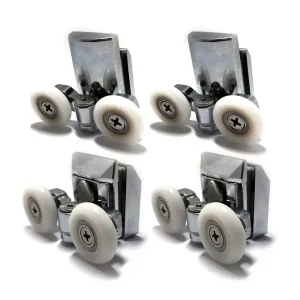
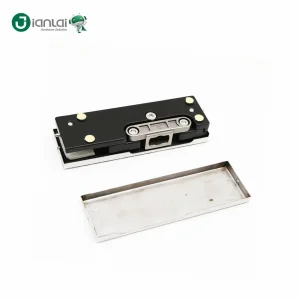
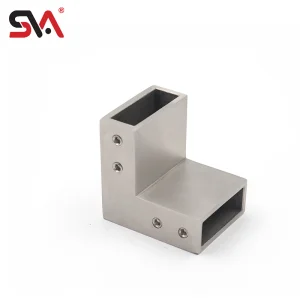
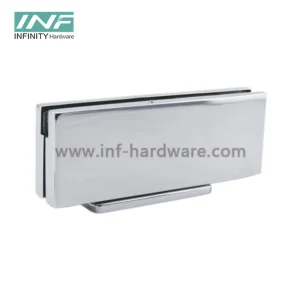
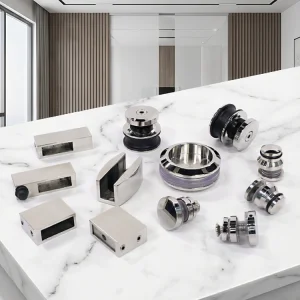
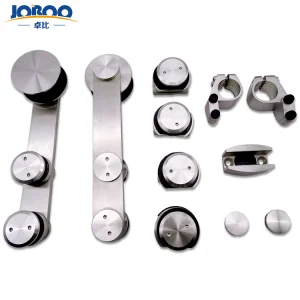
In the contemporary landscape of architectural design, the Glass Door Bolting Box and its associated locking mechanisms represent the critical intersection of security, durability, and aesthetic minimalism. As high-rise commercial buildings and modern residential spaces increasingly utilize frameless glass structures, the demand for high-precision hardware that can withstand cyclic loading and environmental stress has reached a pinnacle.
China has firmly established itself as the global epicenter for this industry. By integrating advanced metallurgical processes—specifically utilizing high-grade SUS304 and SUS316 stainless steel—Chinese manufacturers are delivering solutions that surpass international standards (such as EN1154 and ANSI/BHMA). The industry is witnessing a shift towards "Smart Hardware," where mechanical bolting boxes are seamlessly integrated with IoT-enabled sensors for real-time security monitoring.
Experience: Founded in 2012, Guangzhou Nova Glass Door Co., Ltd. has evolved from a specialized workshop into a formidable manufacturing entity. Our decade-long journey is marked by rigorous adherence to quality control and a deep understanding of international building codes.
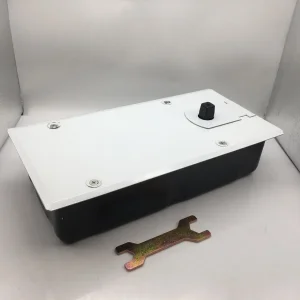
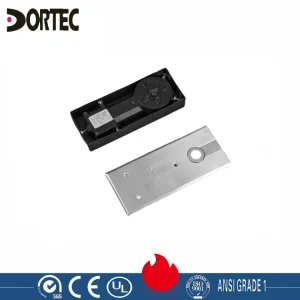
Expertise: Our technical team specializes in the engineering of glass door systems, ranging from heavy-duty hydraulic floor springs (150kg capacity) to sleek, minimalist patch fittings. We understand that a "Bolting Box" is not just a housing; it is the structural anchor of a safe environment.
Authoritativeness & Trustworthiness: With a 6,000 square meter facility and a workforce of 80+ skilled professionals, we maintain transparent production chains. Our exports to Europe, North America, and Southeast Asia are a testament to our reliability. We don't just supply hardware; we provide long-term partnerships backed by consistent performance metrics.
Modern procurement officers are prioritizing "Green Manufacturing." Chinese factories are adopting energy-efficient CNC machining and eco-friendly electroplating processes to reduce the carbon footprint of architectural hardware.
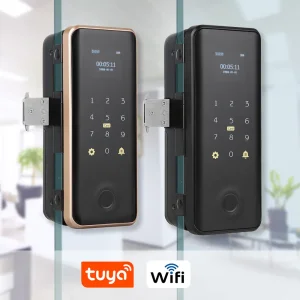
The transition from manual to biometric-enabled glass door locks (e.g., our sliding fingerprint glass door locks) is transforming commercial real estate management. This trend requires tighter integration between the bolting mechanism and the digital control panel.
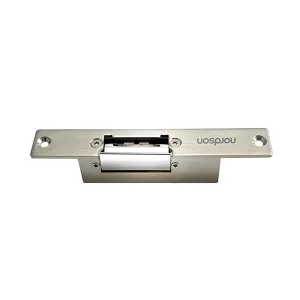
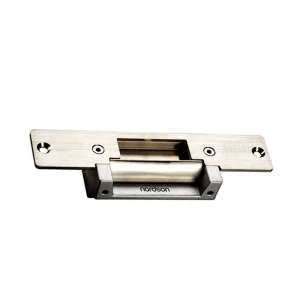
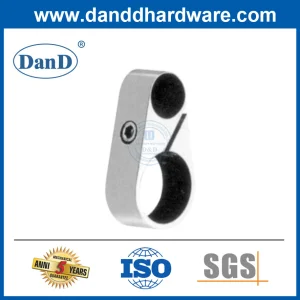
Whether it is a high-traffic hotel bathroom requiring rust-resistant piping or a high-security office entrance needing failsafe electric strikes, customization is the new standard. Our manufacturing capability allows for bespoke adjustments to fit diverse architectural blueprints.
 Nova Glass Door