A glass door should move with a light push, meet its frame evenly, and latch without a hard shove. When it scrapes, rebounds, or leaves a narrow gap, the cause may be a loose hinge, a misaligned strike plate, worn rollers, or a swollen seal. Small clues matter. A bright rub mark near the bottom rail, for example, can point to a different problem than a latch that misses by a few millimeters. Knowing how to make glass doors close smoothly starts with identifying the cause, not tightening every screw at once.
Reliable guidance helps put the issue in context. The U.S. Department of Energy’s Energy Saver resource estimates that heat gain and loss through residential windows account for about 25% to 30% of home heating and cooling energy use. That figure applies to windows, not glass doors specifically, and it is not a door-performance rating. Still, it shows why gaps and worn weatherstripping deserve attention. This guide covers practical checks for hinges, tracks, rollers, alignment, and seals, with adjustments that protect the glass and hardware. A soft-close mechanism may need specialist attention. Some doors also have design limits, so a persistent drag should not be forced away. There is no single fix for every door, and that is easy to forget when one quick adjustment seems tempting. Begin with a careful inspection, then make small changes and test the door after each one.
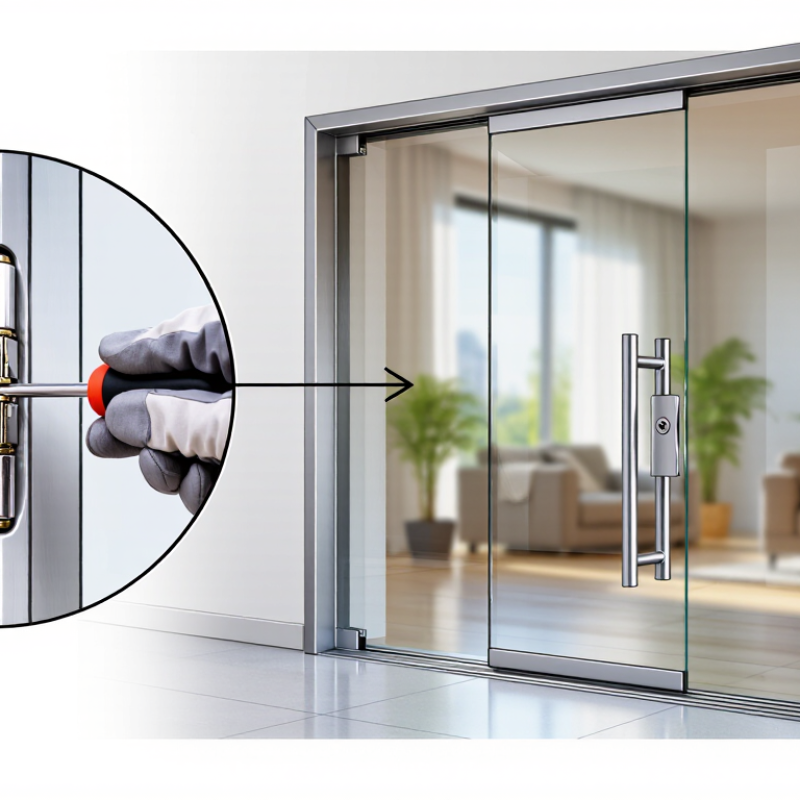
Before adjusting a glass door, identify how it moves. A sliding door rides on rollers inside a track; it does not use hinges or an overhead closer. A hinged door swings from side-mounted hinges, while a pivot door turns on fittings near its top and bottom. Frameless shower panels may use spring hinges that pull them shut. Small differences matter.
Tip: Watch one full closing cycle. Note whether the panel drags, swings too fast, or stops short. Look at the top rail, floor channel, hinge edge, and any visible closer. These details often reveal the mechanism. Don’t assume every heavy glass door has an adjustable closer. Some rely on gravity or spring-loaded fittings, and adjustment points vary.
For sliding doors, inspect the track and rollers before touching hardware; grit or a worn roller can mimic a closing problem. For swing doors, check for loose hinges or fluid leaking from a closer. A door that rebounds may have a misaligned latch or excessive closing force. Keep fingers clear. If the glass is chipped, the frame shifts, or the panel feels unstable, stop using it and contact a qualified glass-door technician. Diagnosis is not always neat; one symptom can have two causes.
A glass door that drags or swings shut unevenly often has a small alignment problem. Check the gap along both sides while the door is nearly closed. A consistent gap usually suggests the panel is sitting square; a widening gap can point to a shifted hinge or frame.
Look closely. If the glass is cracked, or a hinge feels loose, stop using the door and arrange a qualified inspection.
For hinged doors, inspect each hinge for movement, corrosion, and missing or backed-out screws. Support the door before tightening hardware; glass panels are heavy, and uneven pressure can cause damage.
Tighten only accessible fasteners gently, following the door manufacturer’s guidance. Do not force a misaligned panel into place. A small adjustment may help, but I would not assume the hinge is the cause without checking the frame, too.
For sliding doors, clear grit from the track with a soft brush, then wipe it with a damp cloth and dry it. Check whether rollers sit evenly and whether the track is bent or dented.
Open and close the door slowly, listening for scraping and watching for jumps. A clean track will not fix worn rollers, and a quick visual check can miss them.
If the door still sticks, have a glass-door technician assess the alignment and hardware.
A sliding glass door often feels heavy because dust and grit collect around its rollers. Open it slowly and inspect the lower track with a flashlight. Vacuum loose debris, then wipe the track with a damp cloth and mild soap. Dry it completely. Use a soft brush around the roller housings; avoid sharp tools that could damage seals or scratch nearby surfaces. Clean matters more than adding lubricant.
Tip: Apply a small amount of silicone-based lubricant to accessible roller axles or hinge pivots, following the door’s care instructions. Keep lubricant off the glass and avoid coating the track’s running surface, where it can trap dirt. Move the door back and forth several times to spread the lubricant. Wipe away any excess.
If the door still catches, check for a bent track, loose hardware, or worn rollers rather than adding more product. I’ve seen extra lubricant make a gritty track messier; it is an easy mistake. Don’t force a heavy panel. Glass doors can be awkward to handle, so get help or contact a qualified repair professional if the panel appears unstable or damaged.
Illustrative closing profile: door opening decreases steadily over a five-second cycle. Actual closing time varies by door, hardware, and adjustment.
A glass door that drags or slams may need a small adjustment, but the right fix depends on its hardware. Before touching anything, identify whether it swings on hinges or slides on rollers. Check for loose screws, a shifted frame, or grit along the track. Support the door while inspecting it; glass panels are heavy, even when they look stable.
For a hinged door, tighten accessible hinge screws and check whether the panel sits evenly in its frame. If it has a hydraulic closer, adjust its tension in tiny increments, then test the closing and latching speed. Adjustment directions vary, so consult the hardware instructions rather than guessing. It is tempting to keep turning a screw; that can mask a worn closer or misaligned door. Small changes matter.
For a sliding door, clean the track and inspect the rollers for wear or uneven height. Use the roller adjustment screws to raise or lower the panel until it moves without scraping. Test it across the full track, not just near the handle. Not every door agrees with the first adjustment. Stop if the glass binds, hardware shifts, or you see a chip, and have a qualified technician assess it.
Before deciding that a glass door closes smoothly, test it slowly and watch the full movement. Stand clear of the panel’s path, then open and close it without pushing hard. Listen for scraping, clicking, or a sudden change in resistance. Look along the glass edges for chips or cracks, and check that the handle and visible fittings do not wobble. Keep children and pets away during the test. Small details matter.
Tips: Move the door through its full travel several times. Watch the gap between the panel and frame, and notice whether it closes evenly or bounces back. Check that fingers cannot slip into a narrowing gap near the handle or frame. If you see damaged glass, loose fittings, or feel the door is difficult to control, stop using it and arrange a qualified inspection. Don’t force it.
A single test can feel reassuring, but it may miss a problem that appears only near the end of travel. Repeat the check from both sides, keeping your hands on the handle rather than the glass edge. A smooth close should feel controlled, not heavy or abrupt, and the latch should meet its strike without slamming. If the door behaves differently each time, note when it sticks. That small note can help an inspector identify the issue.
Sliding doors move along a track. Hinged doors swing from side hinges, while pivot doors turn on top and bottom fittings.
No. Some rely on gravity or spring-loaded fittings. The hardware can look similar, so check the door’s movement before assuming.
Stand clear and move the door gently through its full travel. Notice scraping, clicking, uneven gaps, or a sudden change in resistance.
Check the track and rollers for grit or wear. Small debris can make a door drag.
A misaligned latch or excessive closing force may cause it. Sometimes the cause is not obvious.
Stop if the glass is chipped, fittings are loose, the frame shifts, or the panel feels unstable. Don’t force it.
Test it several times from both sides. Keep your hands on the handle, and watch the gap near the frame.
Arrange an inspection if the door is difficult to control, has damaged glass, or behaves differently each time. A brief note about where it sticks may help.
Learning how to make glass doors close smoothly begins with identifying the door type and understanding how it closes. Swinging doors may rely on hinges and a closer, while sliding doors use rollers and tracks. Check whether the door sits evenly in its frame, then inspect hinges, tracks, and rollers for looseness, wear, or obstructions. Even small alignment problems can cause sticking, uneven movement, or a door that fails to close fully.
Clean away dust and debris before applying a suitable lubricant to moving parts, taking care to keep glass surfaces clean and dry. If the door still closes poorly, make small adjustments to the hinges, rollers, or closer tension according to the door’s design. Test the door several times, checking that it moves easily, closes securely, and does not slam or drift open. Stop and seek qualified help if the glass is damaged or any hardware feels unstable.

Nova Glass Door