Top 5 Reasons Glass Doors Close Too Fast?

Time:2026-08-22 Author:Aria
0%

Glass doors add elegance and functionality to homes and businesses. However, many people encounter issues with them closing too fast. This can be frustrating and even dangerous. Understanding what causes glass doors to close too fast is essential to address these problems effectively.

Several factors could contribute to this issue. For instance, poorly installed door closers or worn-out components may not function properly. Sometimes, the door frame may be misaligned, leading to rapid movements when the door closes. These details might seem small, but they can significantly impact the door's performance.

Moreover, regular maintenance is often overlooked. Dust and debris can accumulate in the door hardware, affecting its operation. If neglected, the problem can worsen over time. It's important to reflect on these points to ensure safety and convenience in everyday use. Failing to address the causes may lead to further issues down the line, and understanding this can help in making informed decisions.
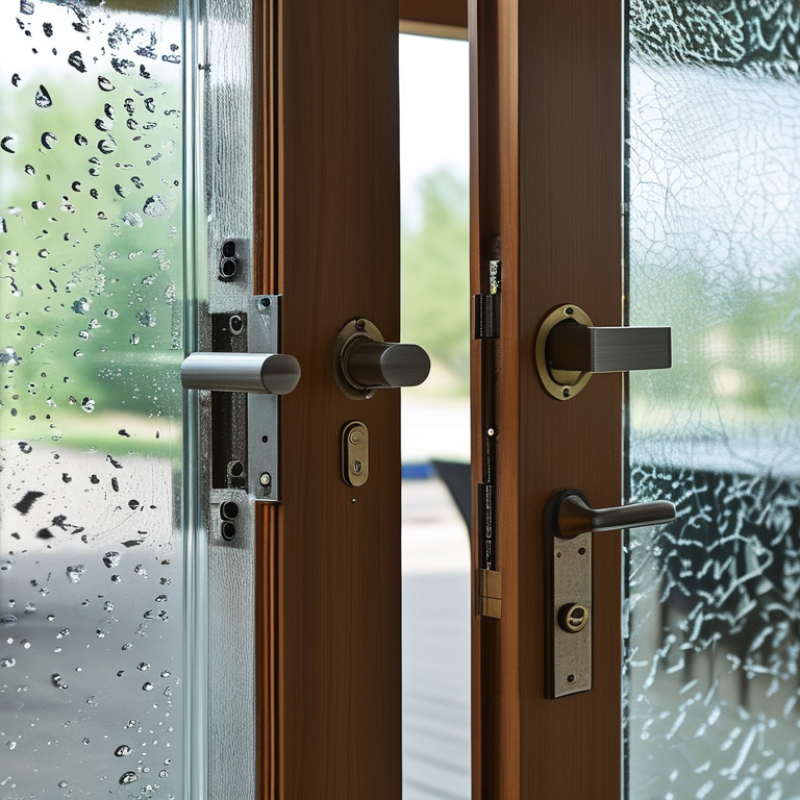
Top 5 Reasons Glass Doors Close Too Fast?

Reasons Glass Doors Close Too Fast: Impact of Spring Tension Mechanics

When glass doors close too fast, spring tension mechanics often play a significant role. These doors rely on springs to control their closing speed. If the tension is too high, the door shuts abruptly. This can catch users off guard and may lead to accidents.

Another critical factor is the condition of the door’s hardware. Worn or damaged components can alter the closing speed. For example, a malfunctioning hydraulic closer can lead to a door slamming shut. Regular maintenance checks can prevent such issues. Yet, many overlook this essential step.

Additionally, improper installation can contribute to this problem. If the door is not aligned correctly, the tension may be affected. This misalignment can cause the door to close faster than intended. Reflection on these aspects can help ensure safety and functionality.

Top 5 Reasons Glass Doors Close Too Fast

Reason Description Impact
Excessive Spring Tension When the spring tension is too high, it causes the door to close rapidly. Increased risk of injury and damage to objects.
Misalignment If the door is misaligned, it may not close evenly, causing one side to shut faster. Potential for rapid wear and tear on the door mechanisms.
Obstructions Objects in the door's path can lead to erratic closing speeds. Possible injuries and damage to the items obstructing the door.
Wear and Tear Aging components can lead to faster closing rates as parts degrade. Increased maintenance costs and risk of malfunction.
Incorrect Installation Improperly installed doors may not function according to design specifications. Safety hazards and the need for reinstallation or adjustments.

Damping Systems in Glass Doors: Importance of Adjustable Speed Control

Damping systems play a vital role in controlling the speed of glass doors. When these systems are outdated or not adjusted properly, doors may close too rapidly. This can lead to safety hazards, damage, or even malfunction. Understanding the importance of adjustable speed control can prevent these issues from occurring.

A well-functioning damping system ensures smooth operation. It allows for adjustments based on foot traffic and specific use cases. For instance, in high-traffic areas, a slower closing speed may be needed to prevent accidents. Regular maintenance can help identify and correct problems early. Always check the damping system’s settings periodically to ensure optimal performance.

Consider the environment where the glass door is installed. Changes in temperature can affect door mechanics. For instance, if a door closes too fast during colder months, it may indicate that lubrication is needed. Regularly inspect components and make necessary adjustments. Observing how the door responds to everyday use can provide insights for improvement. Remember that small changes in settings can lead to significant benefits.

Environmental Factors: How Temperature Affects Door Closing Speed

Temperature plays a crucial role in the performance of glass doors. When it’s cold outside, door mechanisms might stiffen. This stiffness can lead to faster closing speeds. A sudden rush of cold air can create pressure differences, affecting how smoothly the door operates. Those living in colder climates often notice this phenomenon more frequently.

Conversely, in warm weather, materials expand. This expansion may cause parts of the door system to fit tighter than usual. It can slow down the closing speed, leading to frustration. Observing these changes can be enlightening. Factors like humidity can also impact the operation. High humidity levels might compromise the lubrication of hinges, causing unpredicted behavior.

Reflection on environmental impacts is essential for understanding door issues. Temperature fluctuations should not be overlooked. If doors close too quickly, it can pose safety risks. Observing how changes in weather affect your glass doors can help identify the underlying issues. Regular maintenance is vital to ensure proper function regardless of environmental conditions. This attention to detail can lead to a safer and more efficient door experience.

Wear and Tear: Influence of Friction on Glass Door Performance

Glass doors are elegant additions to any space. However, their performance can decline over time due to friction. Wear and tear on the door’s hardware can lead to faster closing speeds. As the components age, they may become misaligned or accumulate dirt. This increases resistance, causing the door to slam shut abruptly.

Friction plays a significant role in how glass doors operate. When the tracks or hinges wear out, they generate more drag. A heavy door can exacerbate this issue, resulting in unsafe conditions. Regular maintenance is essential to minimize friction. An unkempt door can lead to unpredictable closing speeds, raising concerns for safety.

It’s important to monitor your glass door's performance. If it closes too quickly, it may pose a hazard. Small adjustments can yield significant improvements. However, many people overlook these minor details. Regular inspections can identify problems early. Thoughtful care will ensure your glass door functions safely and efficiently.

Safety Standards: Regulations Governing Glass Door Closing Mechanisms

Glass doors are a popular choice for businesses and homes. However, they can pose safety risks when they close too quickly. Various safety standards exist to regulate the mechanisms behind these doors. These standards are designed to prevent accidents and injuries.

Regulations often require that glass doors have adjustable closing mechanisms. This allows for a controlled closing speed. If not properly maintained, these mechanisms can wear out. This wear may lead to doors shutting faster than intended. It is essential to regularly inspect and maintain these components to ensure compliance with safety standards.

Additionally, local building codes play a vital role. They dictate specific requirements for glass door installations. For example, some codes may require an automatic stop feature. This feature helps prevent the door from slamming shut on unsuspecting individuals. Reflecting on these aspects can highlight the need for better education on door safety. Understanding these regulations ensures a safer environment for everyone.

Top 5 Reasons Glass Doors Close Too Fast

This bar chart illustrates the top reasons for glass doors closing too quickly, based on common industry findings.

FAQS

: Why do glass doors close too quickly?

: High spring tension often causes abrupt closing. This can catch users off guard and create safety risks.

What role does door hardware play in closing speed?

Worn or damaged hardware can change closing speed. Regular maintenance checks are often overlooked yet crucial.

How does improper installation affect door closing?

Incorrect alignment can lead to faster closing speeds. Reflecting on installation methods may prevent future issues.

Why are damping systems important for glass doors?

They control closing speed and enhance safety. An outdated or improperly adjusted system may cause accidents.

How does temperature influence door mechanics?

Cold weather can stiffen mechanisms, leading to rapid closing. Observing the door’s response to temperature is essential.

Can humidity impact the operation of glass doors?

Yes, high humidity may compromise lubrication. Regular inspections can help identify and address unpredicted behavior.

How can I ensure my glass door closes safely?

Regular maintenance and monitoring of environmental factors is key. Small adjustments can lead to significant safety improvements.

What should I do if my door closes too fast?

Inspect the damping system, springs, and hardware. Reflecting on these factors can help pinpoint the problem.

Is regular maintenance really necessary for glass doors?

Absolutely, it prevents issues like fast closing. Many neglect this step, but it’s vital for safety and function.

How can I avoid accidents with glass doors?

Monitor door behavior and make timely adjustments. Active observation and maintenance promote a safer experience.

Conclusion

In exploring the question of what causes glass doors to close too fast, several key factors emerge. One significant aspect is the mechanics of spring tension, which can lead to rapid door closure if not properly calibrated. Additionally, the presence and functionality of damping systems play a crucial role in controlling the speed at which the doors close; adjustable speed control is essential for optimal performance.

Environmental elements, particularly temperature fluctuations, also contribute to the speed of closure, affecting the materials and mechanisms of the door. Furthermore, wear and tear from friction can deteriorate door performance over time, resulting in a faster closing speed. Finally, adherence to safety standards and regulations governing glass door mechanisms is vital to ensure safety and prevent accidents related to excessively rapid closures. Understanding these factors is essential for maintaining the functionality and safety of glass doors.

Aria

Aria

Aria is a dedicated marketing professional with a deep passion for innovative strategies and a keen understanding of our company's product offerings. With a wealth of experience in the industry, Aria excels at crafting engaging content that highlights the unique features and benefits of our......