In recent years, glass doors have gained immense popularity in office buildings. Renowned architect Sarah Jennings, an expert in modern workplace design, asserts, "Glass doors foster transparency and collaboration in any workspace." This perspective highlights why glass doors are common in office buildings today. They not only enhance aesthetic appeal but also create an open, inviting environment.
The presence of glass doors can transform the atmosphere of an office. They allow natural light to permeate, brightening spaces and improving employee mood. This design choice encourages a culture of openness. Yet, it’s essential to note the potential drawbacks. Glass doors can sometimes lead to privacy concerns. Employees may feel exposed or uncomfortable discussing sensitive matters in full view.
Investing in glass doors requires careful consideration. Organizations must balance transparency with the need for personal space. Ultimately, understanding why glass doors are common in office buildings involves recognizing both their advantages and limitations. Thoughtful implementation can lead to a harmonious workplace that aligns with today's collaborative ethos.
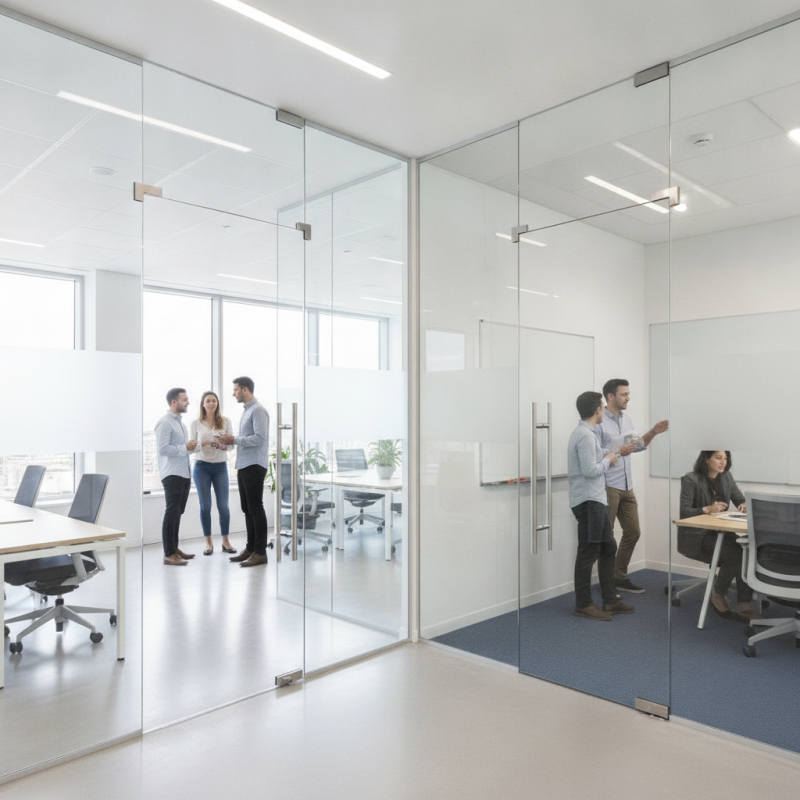
Glass doors have become a hallmark of modern office design, showcasing aesthetic appeal along with functionality. They create an illusion of spaciousness, allowing natural light to flow through. According to a study by the International Facility Management Association, 80% of employees feel that natural light boosts their productivity. This is significant for companies aiming to enhance workplace morale.
Architectural trends reflect a shift towards transparency. Glass doors foster collaboration and communication among teams. They allow for visibility, yet can also provide privacy with smart technology. Research from the Center for the Built Environment indicates that 94% of employees prefer working in environments that use glass elements. However, the challenge lies in maintenance and energy efficiency. Glass can contribute to excess heat or glare if not properly treated or shaded.
Furthermore, there is a balance to strike between style and functionality. While glass doors enhance aesthetic appeal, they can also lead to acoustical challenges. A report from the American Society of Interior Designers highlights that up to 30% of employees complain about noise levels in open spaces. Looking to resolve such issues is essential as companies invest in creating appealing workspaces, yet they must ensure that employee comfort is not compromised.
| Aspect | Description | Benefits |
|---|---|---|
| Aesthetic Appeal | Glass doors provide a sleek and modern look, enhancing the visual appeal of office spaces. | Increased office attractiveness and professional image. |
| Natural Light | Allows natural light to flow, reducing the need for artificial lighting. | Improved mood and productivity among employees. |
| Space Perception | Creates an illusion of a larger space, making offices feel more open. | Enhanced sense of openness and collaboration. |
| Sound Control | Can be designed to minimize sound transmission while maintaining visibility. | Provides privacy in open office layouts while maintaining communication flow. |
| Versatility | Glass doors can complement various design styles and fit into different office layouts. | Adaptability to changing office needs and aesthetics. |
: Glass doors foster openness and collaboration, making the space feel larger and more welcoming. Employees can easily interact.
They encourage spontaneous discussions and brainstorming. This transparency enhances team spirit and idea sharing among employees.
Yes, privacy can be an issue. Employees might feel exposed during private meetings in open spaces.
Using frosted glass or strategic placement can protect privacy while maintaining an open environment.
Glass doors show smudges and fingerprints easily, requiring regular cleaning and upkeep to look presentable.
They utilize natural light, reducing reliance on artificial lighting, which lowers energy costs and benefits employee well-being.
Yes, the production of glass has an environmental footprint. It's important to consider recycling and energy use in manufacturing.
The visible nature of glass doors may lead to feelings of exposure or discomfort, impacting concentration.
While they promote collaboration, challenges like privacy concerns might hinder some employees from engaging fully.
It's essential to assess their lifecycle, maintenance needs, and environmental impact for responsible use in office design.
Glass doors have gained popularity in office buildings due to their aesthetic appeal and the functional benefits they provide. Why glass doors are common in office buildings can be attributed to their ability to create a visually appealing environment that enhances modern office design. Furthermore, the incorporation of natural light through glass doors significantly boosts office productivity, fostering a healthier and more inviting workspace.
In addition to aesthetics and productivity, glass doors promote a sense of openness and collaboration among employees, breaking down traditional barriers associated with closed-off workspaces. They also align with sustainability goals, as many glass options are energy-efficient and environmentally friendly. Finally, considerations regarding maintenance and durability make glass doors a practical choice for contemporary workspaces, ensuring longevity while maintaining their visual charm.

 Nova Glass Door