In recent years, the use of glass doors in modern architecture has surged. One significant reason for this trend is their aesthetic appeal. According to a 2022 report by the American Institute of Architects, 72% of architects observed increased client requests for transparency in designs. This desire reflects society's shift towards minimalist and open spaces.
Moreover, glass doors facilitate natural light, improving indoor environments. A study by the National Renewable Energy Laboratory reveals that natural light can boost productivity by 15%. This aligns with modern architectural principles focused on well-being. However, the reliance on glass also raises concerns. For instance, energy efficiency can suffer if insulation is inadequate. Architects must balance aesthetics and functionality when designing.
Ultimately, understanding why glass doors are popular in modern architecture requires a closer look at both their benefits and limitations. The quest for design innovation continues, yet challenges remain. The conversation around glass doors is far from over.
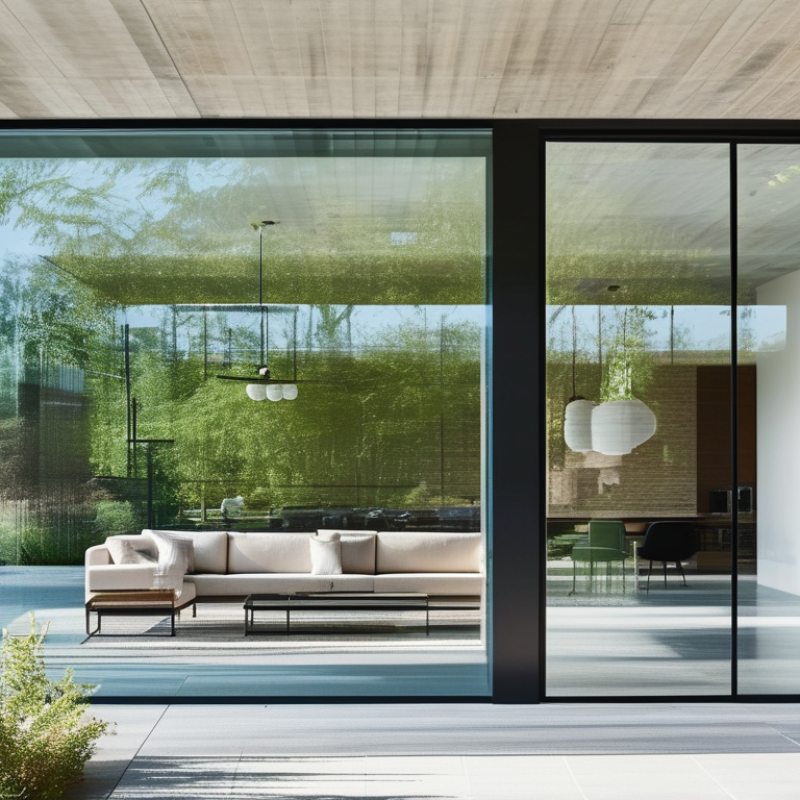
Glass doors have become a hallmark of contemporary architecture, primarily due to their aesthetic appeal. The transparency they offer creates a seamless connection between indoor and outdoor spaces. According to a recent report by the American Institute of Architects, 65% of architects believe that glass elements enhance the visual appeal of buildings. This perception aligns with growing trends favoring open and airy designs.
Moreover, glass doors allow natural light to flood interior spaces. A study by the National Institute of Building Sciences states that natural lighting can increase productivity by 20% in office environments. This aspect not only serves functional needs but also enhances emotional well-being. Spaces filled with light foster a sense of openness. However, while glass doors provide elegance, they also require careful consideration regarding privacy and energy efficiency. These issues can become points for reflection in design decisions.
Another intriguing aspect is the sustainability of glass doors. Triple-glazed glass can significantly improve energy efficiency when installed correctly. The U.S. Green Building Council reports that buildings utilizing energy-efficient glass can reduce energy consumption by up to 30%. Yet, it's essential to weigh these benefits against the environmental cost of production. By exploring these dimensions, architects and homeowners can appreciate the nuanced role glass doors play in modern design.
Glass doors have gained popularity in modern architecture due to their aesthetic appeal and functional benefits. One significant advantage is energy efficiency. With advancements in technology, glass doors now come equipped with double or triple glazing. This feature minimizes heat loss during the winter and reduces heat gain in the summer. As a result, they play a role in maintaining indoor temperatures.
Natural light is another crucial element that enhances energy efficiency. Glass doors allow ample sunlight to flood interiors, decreasing the need for artificial lighting during the day. This can lead to lower energy consumption. However, designers must carefully consider the placement of these doors. Overexposure to sunlight can increase cooling costs in hotter months.
While glass doors provide a sleek, modern look, they also raise questions about privacy and security. Homeowners and architects must weigh these factors when choosing glass solutions. Finding the right balance between transparency and insulation is essential. Energy efficiency is a goal, but not at the cost of comfort or safety.
| Feature | Benefit | Impact on Energy Efficiency | Applications in Architecture |
|---|---|---|---|
| Natural Light | Enhances indoor lighting | Reduces reliance on artificial lighting | Residential and Commercial Spaces |
| Insulation Properties | Helps maintain indoor temperatures | Lowers heating and cooling costs | Open-plan offices, Eco-friendly buildings |
| Aesthetic Appeal | Modern and sleek appearance | Increases marketability and property value | Luxury homes, Hotels, Museums |
| Ventilation | Provides airflow and reduces humidity | Improves indoor air quality | Commercial buildings, Cafés |
| Sustainability | Utilizes eco-friendly materials | Supports green building certifications | Green architecture, Sustainable projects |
Glass doors have become a favored choice in modern architecture. Their transparency allows natural light to pour in, transforming indoor spaces. This influx of light creates a vibrant atmosphere. Sunlight enhances colors and textures in a room. It can also make areas feel larger and more open.
Natural light has significant benefits for well-being. It can elevate mood and boost productivity. People often report feeling more connected to nature with glass doors. However, there are challenges. Excessive sunlight can lead to heat and glare issues. Finding the right balance is crucial.
Moreover, the aesthetic appeal of glass doors cannot be overlooked. They frame outdoor views beautifully. Yet, privacy can be compromised, requiring thoughtful placement. Architects must consider these factors when designing spaces. Such reflections shape the overall functionality and beauty of modern homes and workplaces.
The rise of glass doors in modern architecture can be largely attributed to advances in technology. Smart glazing has enhanced these structures. This technology allows glass to change its tint in response to sunlight. According to a report from the International Window Film Association, energy-efficient glass can reduce building energy costs by up to $30%. Such innovations align with the increasing demand for sustainable building practices.
Another factor contributing to the popularity of glass doors is their aesthetic appeal. They create seamless transitions between indoor and outdoor spaces. This trend is supported by a survey from the American Institute of Architects, revealing that 45% of homeowners prioritize natural light in their home designs. However, while glass doors offer beauty and brightness, they can also pose challenges. Temperature control and privacy are critical concerns. Buildings with extensive glass elements can struggle with maintaining comfortable indoor climates.
Security is another aspect needing attention. While many opt for sleek designs, not all glass doors provide ample protection against forced entry. Finding a balance between style and security is essential. Designers must consider these trade-offs when integrating glass doors into their projects.
The use of glass doors in modern architecture reflects a growing trend. A recent industry report reveals that over 40% of new residential projects incorporate glass doors. This shift points to a preference for natural light and open spaces. Architects often cite transparency as a key benefit. It fosters a connection between indoor and outdoor environments, enhancing the overall aesthetic.
Market analysis also shows that glass door installations increased by 25% from 2020 to 2022. This surge aligns with sustainable design goals. However, challenges exist. For instance, energy efficiency remains a concern. Many glass doors do not adequately insulate, leading to increased energy costs. Homeowners are advised to balance aesthetics with functionality.
Consumer preferences are evolving. A survey indicated that 60% of respondents value natural light above all. Yet, cost remains a barrier for some. Quality glass doors can be significantly more expensive than traditional options. Architects and builders face the dilemma of client budget versus design ambition. The conversation around glass doors is complex, reflecting both innovation and the need for practicality.
: Glass doors are popular for their aesthetic charm and seamless connection between indoor and outdoor spaces.
Natural light enhances productivity by 20% in workplaces and improves emotional well-being in residential settings.
Privacy can be compromised with glass doors, which needs careful planning in design.
Yes, triple-glazed glass can enhance energy efficiency, potentially reducing energy consumption by up to 30%.
While elegant, glass doors require consideration for heat control and glare from excessive sunlight.
They allow sunlight to create a vibrant atmosphere, making spaces feel larger and more connected to nature.
They need to balance aesthetics, privacy, and energy efficiency in their designs.
The environmental cost of producing glass must be considered alongside its benefits for energy efficiency.
They beautifully frame outdoor views, adding elegance and depth to interior spaces.
Proper placement is crucial to manage privacy and ensure comfort in bright, sunlit areas.
Glass doors have become a defining feature in modern architecture due to their aesthetic appeal and functional benefits. The transparency of glass creates a seamless connection between indoor and outdoor spaces, enhancing the overall design of contemporary buildings. Additionally, glass doors contribute significantly to energy efficiency, allowing natural light to illuminate spaces while reducing reliance on artificial lighting.
Moreover, innovative technologies, such as advanced thermal insulation and smart glazing, are driving the popularity of glass doors. These developments not only improve comfort but also promote sustainability in architecture. Statistical analyses reveal a growing trend in the use of glass doors in modern buildings, underscoring why glass doors are popular in modern architecture as they blend style, efficiency, and a connection to nature, which is highly sought after in today's design landscape.

Nova Glass Door