Glass door alignment plays a crucial role in ensuring safety, particularly in commercial spaces. According to Dr. Emily Chen, a renowned safety engineer, “Properly aligned glass doors can prevent numerous accidents that often go unnoticed.” Her expertise underscores why glass door alignment matters for safety.
Misalignment may seem minor, yet it can lead to severe consequences. A misaligned door can cause it to shatter or fail to close properly. This increases risks of injuries. For businesses, accidents can result in lawsuits and damage their reputation. Regular alignment checks are essential. However, many overlook them until an incident occurs.
Being proactive about glass door alignment is not just good practice; it is vital. Implementing regular maintenance can protect lives and properties. Dr. Chen emphasizes the need for awareness: “Understanding alignment's impact can save lives and reduce liability.” It’s worth taking a moment to reflect on these insights as they are often ignored in daily operations.
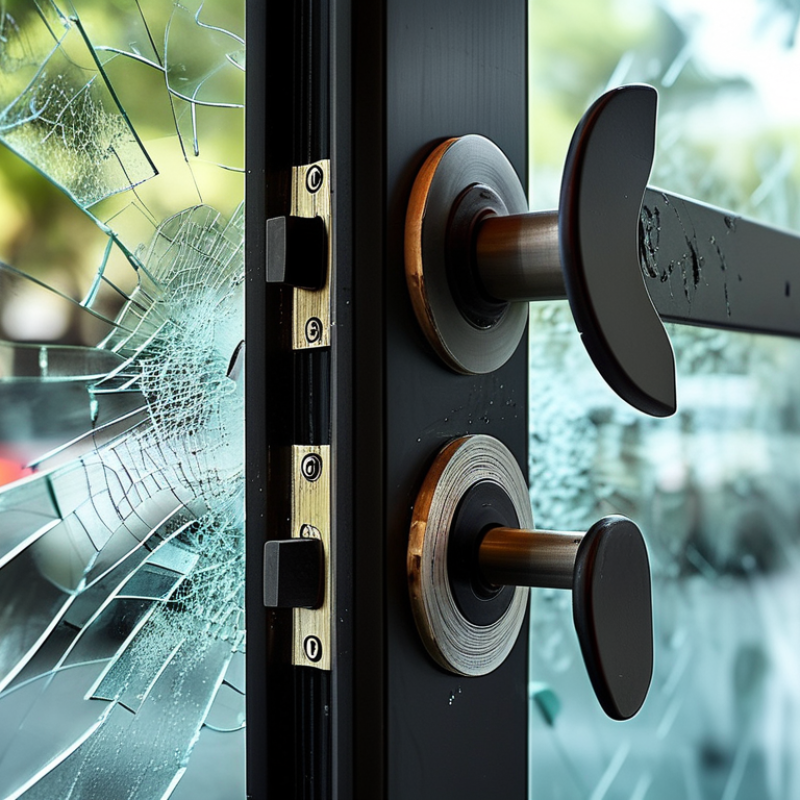
Glass door alignment is crucial for ensuring safety in both commercial and residential spaces. Misaligned glass doors can pose significant hazards. According to the National Safety Council, injuries related to improperly installed or misaligned doors contribute to thousands of emergency room visits each year. These injuries often result from accidents such as shattered glass or doors that swing unexpectedly.
Attention to detail in glass door installation can prevent many of these issues. A report from the American Glass Association states that about 30% of glass-related injuries stem from alignment problems. Ensuring that the hinges and tracks are properly adjusted allows the door to operate smoothly and reduces the risk of sudden malfunctions. Regular maintenance checks help identify misalignment early and enhance safety.
Additionally, environmental factors can exacerbate alignment issues. Temperature fluctuations can warp door frames and tracks, leading to misalignment over time. Regular inspections by professionals can ensure that any shifts are corrected promptly. It’s essential to recognize that neglecting these factors could lead to serious safety risks. The importance of proper glass door alignment cannot be overstated, as it directly impacts the well-being of everyone who uses that space.
Glass door alignment plays a crucial role in maintaining safety standards in various environments. When misalignment occurs, it can lead to significant risks. For example, uneven gaps around glass doors can result in pinch points, increasing the likelihood of accidents. According to the Occupational Safety and Health Administration (OSHA), improper door alignment contributes to approximately 15% of workplace injuries related to door mechanisms. These injuries often stem from malfunctioning hardware and misaligned panels, highlighting the importance of proper installation.
Misalignment can compromise the integrity of safety features. If a glass door does not close properly, it can leave entry points vulnerable. This situation may lead to unauthorized access, heightening security concerns. The National Institute for Occupational Safety and Health (NIOSH) indicates that about 28% of industrial security breaches can be traced back to poorly secured entryways. Furthermore, inadequate door alignment can also lead to increased wear on hardware, necessitating costly repairs and replacements.
Regular inspections and maintenance are essential. They help identify misalignment early, which can prevent accidents before they happen. For instance, ensuring that hinges and tracks are functioning correctly can minimize hazards. The need for continuous evaluation of glass door systems cannot be overstated; even a minor misalignment can result in substantial safety risks. Creating a culture of safety and vigilance around door maintenance is vital for protecting employees and property alike.
Glass door alignment plays a crucial role in user experience and accessibility. When glass doors are misaligned, they can lead to frustration. Users may struggle to open or close them smoothly, causing inconvenience. This can especially affect people with mobility challenges. A misaligned door may obstruct their entrance or exit, creating unnecessary barriers.
Proper alignment ensures that glass doors operate seamlessly. When doors are level, they allow for easier navigation. This is vital in public spaces where foot traffic is high. Visitors expect doors to function correctly, and any mishap can lead to negative experiences. Misalignment could result in accidents, leading to injuries. Such incidents can diminish trust in the facility and raise safety concerns.
Regular maintenance checks can prevent alignment issues. Addressing minor adjustments proactively can maintain accessibility. Facilities should prioritize doorway functionality as part of their accessibility strategy. By doing so, they enhance the safety and experience for all users, including those with specific needs. Ultimately, the goal is to create an inclusive environment where everyone feels welcome.
Glass doors provide elegance and functionality but require precise alignment to ensure safety. Misalignment can lead to accidents such as falls or injuries. Regular maintenance is key to keeping your glass doors aligned. First, check if the tracks are clean and free from debris. Dirt can obstruct movement and cause misalignment over time.
It's important to inspect the door hinges and frames too. Loose or damaged components can lead to buckling or gaps. If you notice any unusual sound when opening or closing the door, it may need attention. A simple adjustment can prevent larger issues. Consider using a level to assess the door's position. An aligned door should sit evenly within its frame. If this isn't the case, consult a professional for adjustments.
Periodic checks will save long-term headaches and potentially serious issues. Even small misalignments should not be overlooked. They can lead to bigger problems down the line. Stay proactive with your glass door maintenance to ensure both safety and longevity.
| Reason | Description | Impact on Safety |
|---|---|---|
| 1. Prevents Accidents | Proper alignment minimizes the risk of door-related accidents. | Reduces injuries caused by sudden door closures. |
| 2. Enhances Longevity | Aligned doors experience less wear and tear. | Longer lifespan of hardware and door materials. |
| 3. Improved Security | Correctly aligned doors close properly, enhancing security. | Decreases chances of unauthorized access. |
| 4. Better Insulation | Ensures minimal gaps for better insulation. | Improves energy efficiency by maintaining temperature. |
| 5. Aesthetic Appeal | Aligned glass doors present a polished appearance. | Enhances overall property value and perception. |
Neglecting door alignment can lead to significant legal ramifications. According to a report from the Occupational Safety and Health Administration (OSHA), misaligned doors can cause accidents in workplaces, leading to injuries and potential lawsuits. These suits often arise when an employee is injured due to faulty equipment. If a door does not close properly, it poses a safety risk, especially in areas where heavy machinery is operated.
The legal implications of neglecting door alignment can be far-reaching. Employers can be held liable if an injured worker demonstrates that proper maintenance was not conducted. A study found that over 30% of workplace injuries stem from equipment malfunction – a number that highlights the importance of regular checks. Additionally, regulatory fines can apply if safety standards are violated consistently. This reinforces the need for businesses to prioritize regular maintenance.
It's also essential to consider that workplace safety isn't just a legal obligation. It is a reflection of a company’s commitment to its employees. Failing to address door alignment issues can indicate a broader culture of neglect. Some organizations may think that these issues are minor or unessential. However, ignoring them can escalate into costly errors and lawsuits.
: Misaligned glass doors can create pinch points, increasing the risk of accidents.
Improper alignment contributes to about 15% of injuries related to doors in workplaces.
Misaligned doors may not close properly, leading to unauthorized access and security issues.
Regular inspections help identify misalignments early, preventing accidents and maintaining safety.
Users may struggle to open or close misaligned doors, causing frustration and inconvenience.
Properly aligned doors ensure smoother navigation, especially for those with mobility challenges.
Neglected alignment can lead to workplace injuries, resulting in lawsuits and liability.
Proactive maintenance checks can address minor adjustments and ensure consistent door function.
Fines may apply, and organizations could face legal repercussions for neglecting maintenance.
Ignoring alignment issues may indicate a lack of commitment to employee safety and wellbeing.
Proper glass door alignment is crucial for maintaining safety in any setting. When glass doors are correctly aligned, they ensure a secure and stable entry point, minimizing the risk of accidents caused by slamming or shattering. Misalignment can significantly compromise safety standards, leading to potential injuries or incidents that could be easily avoided. Moreover, it affects the overall user experience and accessibility, making it difficult for individuals with mobility challenges to navigate spaces freely.
To prevent misalignment, regular maintenance is necessary, including routine inspections and adjustments. Neglecting the alignment of glass doors can also have legal implications, as it may result in liability issues should an accident occur. In summary, understanding why glass door alignment matters for safety is essential for protecting both users and property while promoting a safe and accessible environment.

Nova Glass Door