In recent years, glass doors have become a defining feature of modern architecture. Their appeal lies not only in aesthetics but also in their functionality. According to the International Glass Association, over 70% of architects now prioritize glass elements in their designs. This shift reflects a growing trend towards transparency and connection with the environment.
Architectural expert Jane Smith emphasizes this point, stating, "Glass doors bring the outside in, enhancing natural light and open spaces." This design philosophy fosters a sense of harmony between interiors and exteriors. However, are architects fully considering the implications of this trend? While glass doors offer aesthetic benefits, issues like energy efficiency and privacy remain critical.
The popularity of glass doors reveals a duality in modern architecture. They symbolize innovation and openness yet require careful consideration. As architects embrace these design elements, it's essential to balance beauty with practicality. Understanding why glass doors are popular in modern architecture may involve reflecting on these often-overlooked challenges.
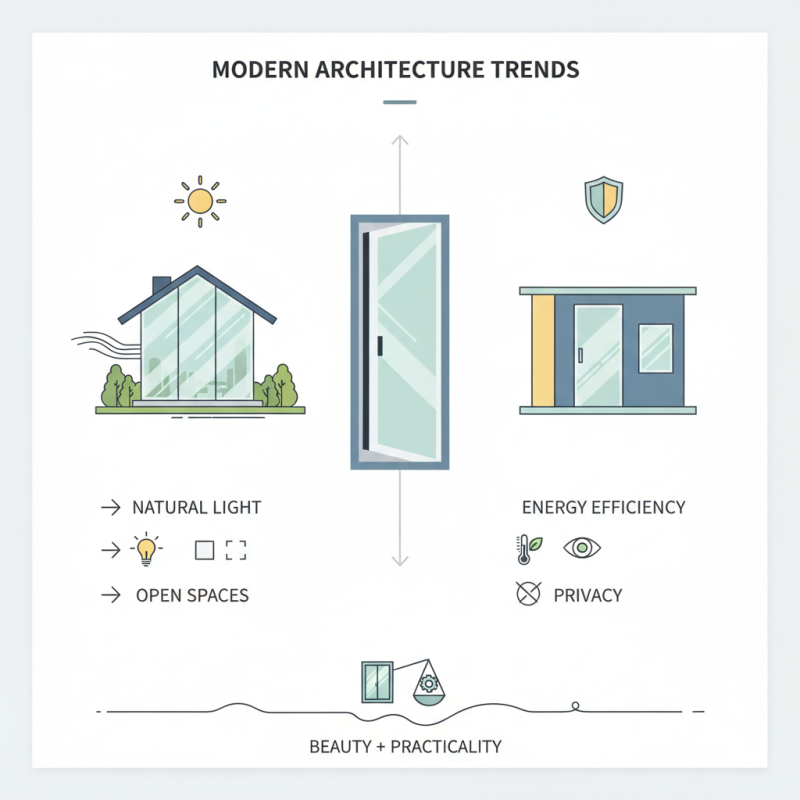
Glass doors play a vital role in modern architecture, especially when it comes to natural light. They seamlessly connect indoor and outdoor spaces. This connection invites sunlight into rooms, creating a warm and welcoming atmosphere. Architects utilize glass doors to enhance the visual appeal of buildings. Natural light can drastically improve mood and well-being. It reduces the need for artificial lighting, promoting energy efficiency in homes and offices.
However, the use of glass doors comes with challenges. They can lead to overheating in warm climates. Proper insulation and shading solutions are essential to combat this. Transparency can feel exposing in some contexts, affecting privacy. Architects need to balance openness with comfort. Innovative design techniques, such as frosted glass or strategically placed foliage, can mitigate these concerns. These considerations prove that while glass doors enhance aesthetics and light, they require thoughtful integration into architectural plans.
Glass doors are becoming a staple in modern architecture. They not only provide aesthetic appeal but also enhance energy efficiency in buildings. With the right design, glass doors can reduce energy consumption by maximizing natural light. This leads to decreased reliance on artificial lighting.
Natural light is essential for creating a welcoming space. It helps to reduce energy costs, as buildings use less electricity during daylight hours. When glass doors are strategically placed, they can capture sunlight and distribute it evenly throughout the interior. However, not all glass doors are created equal. Poor insulation can negate these benefits, leading to heat loss in winter months.
Upgrading to high-performance glass doors is often necessary. These types can significantly improve thermal performance. They may cost more upfront but can save money in the long run. Balancing the cost with long-term savings is crucial. Architects and builders must carefully consider the implications of using glass doors. Ensuring quality installation and material choice is key to reaping the benefits.
Glass doors play a significant role in modern architecture. They create seamless connections between indoor and outdoor spaces. This connection enhances natural light flow and blurs the lines between interior design and nature. Open layouts can feel more expansive with glass doors. Homeowners appreciate this effect, as it invites in fresh air and stunning views.
However, these doors come with challenges. Maintenance can be demanding, and privacy is often a concern. Finding the balance between openness and seclusion requires careful planning. Choosing the right type of glass, such as frosted or tinted, can help.
Tips for selecting glass doors:
Glass doors not only introduce elegance but also require thoughtful design decisions. The aesthetic impact is undeniable, but the functionality should not be overlooked. Reflecting on these aspects will ensure that glass doors enhance rather than hinder your space.
Glass doors have become a significant feature in modern architecture. They offer not only aesthetic appeal but also practical advantages. One of the emerging trends is the integration of smart technology. Glass doors can now be equipped with sensors that detect weather changes, adjusting their insulation properties automatically. This technology enhances energy efficiency, a crucial aspect amid rising environmental concerns.
Sustainability is another vital focus in glass door design. Manufacturers are developing eco-friendly materials. These materials reduce carbon footprints while maintaining durability. Additionally, some glass doors are designed with self-cleaning properties. This minimizes maintenance and conserves water. However, the effectiveness of these innovations varies across different regions and climates.
While the advancements in glass door technology are promising, there are still challenges to overcome. Smart systems may require regular updates, which could be inconvenient for some users. The initial costs of high-quality glass doors remain a barrier for many homeowners. As the field evolves, striking a balance between innovation and accessibility will be essential. The future of glass doors in architecture may hinge on these considerations.
In recent years, glass doors have become integral to modern architecture. Their aesthetic appeal and practicality drive innovation in design. Numerous case studies illustrate this trend. One notable example is a contemporary office in London, featuring floor-to-ceiling glass doors. This design fosters openness, allowing natural light to flood the workspace. A report by the American Society of Interior Designers found that natural light increases productivity by up to 15%.
Another prominent case is a residential project in Australia. The architects incorporated sliding glass doors that blend indoor and outdoor spaces seamlessly. This approach not only enhances the living experience but also promotes sustainability. A study by McKinsey Global Institute highlighted that 70% of homeowners prefer designs that maximize views and sunlight. While glass doors seem to offer endless benefits, they can pose challenges like heat loss and maintenance.
Failing to address these issues may result in higher energy costs. It's essential for architects to balance innovation with practicality. Adapting these designs to local climates and user needs is crucial. Customizing glass door solutions can remedy potential drawbacks, ensuring they serve both form and function effectively. The trend continues to evolve, with architects experimenting boldly while remembering that flexibility is key.
: Glass doors enhance natural light, creating warm and welcoming spaces.
They blur boundaries, allowing fresh air and stunning views to flow inside.
They can cause overheating, necessitating proper insulation and shading strategies.
Using frosted or tinted glass can enhance privacy while maintaining light flow.
Evaluate orientation for light, thermal performance for energy efficiency, and safety features.
Smart features adjust insulation automatically, improving energy efficiency based on weather.
Eco-friendly materials and self-cleaning properties help reduce carbon footprints and conserve water.
Smart systems may need updates regularly, which could be inconvenient.
Initial costs can be a barrier, limiting access to innovative designs.
Thoughtful design ensures that glass doors enhance spaces without compromising comfort or privacy.
Glass doors have become a crucial element in modern architecture, primarily due to their ability to enhance natural light within buildings. This feature not only creates brighter and more inviting spaces but also contributes to energy efficiency by reducing the need for artificial lighting. The popularity of glass doors in contemporary design is also linked to their capacity to blend indoor and outdoor environments, fostering a seamless connection with nature while enhancing the aesthetic appeal of structures.
Furthermore, advancements in glass door technology, including smart features and sustainable materials, have made them even more attractive to architects and builders. These innovations not only improve functionality and user experience but also align with the growing emphasis on eco-friendly design. Overall, understanding why glass doors are popular in modern architecture involves recognizing their multifaceted benefits, from aesthetic enhancement to practical sustainability.

Nova Glass Door