In the ever-evolving world of interior design, glass doors play a pivotal role. Renowned expert Helen Zhang states, "Glass doors transform spaces by creating openness and enhancing natural light." This principle becomes increasingly vital as global buyers seek innovative solutions in their design choices for 2026.
Glass doors effortlessly integrate indoor and outdoor spaces, providing a sense of continuity. They allow light to flow freely, creating an inviting ambiance. Enjoying a bright, airy environment can significantly influence one’s mood. However, the challenge lies in balancing aesthetics and privacy. Not all glass doors provide adequate seclusion.
As the 139th Canton Fair approaches, buyers will seek products that resonate with current trends. Embracing the beauty of how glass doors improve interior design can lead to fresh ideas. Yet, some designs may require further refinement to maximize functionality and user satisfaction. The shift towards integrating these elements promises exciting possibilities for the future of interior design.
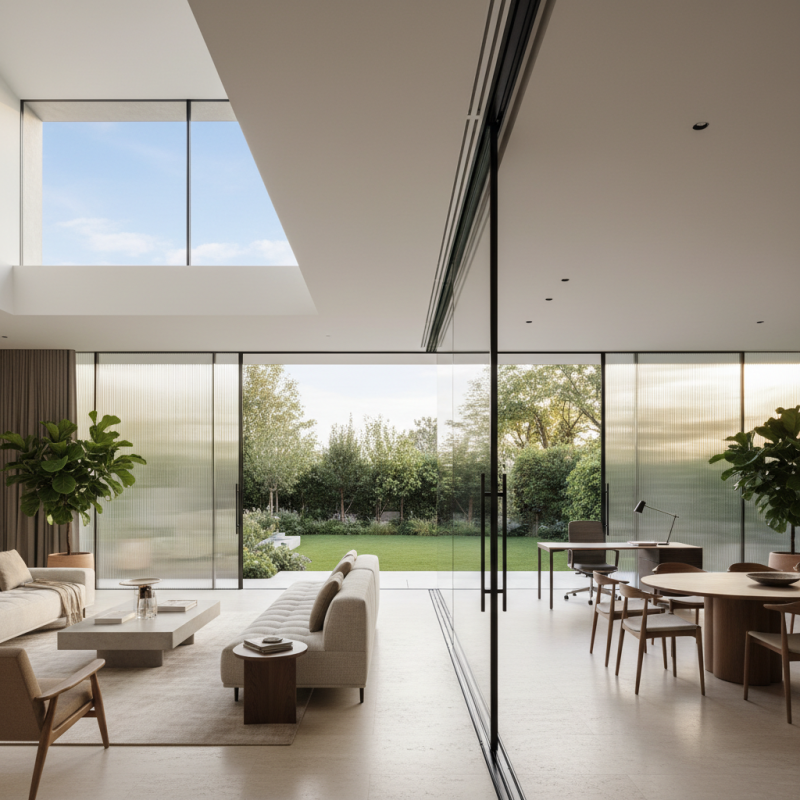
The Evolution of Glass Doors in Interior Design
The evolution of glass doors in interior design has transformed how spaces are perceived. Once merely functional, glass doors now serve as key aesthetic elements. They allow natural light to flow freely, creating an airy atmosphere. Many buyers appreciate this openness. It blurs the lines between indoor and outdoor spaces. However, with transparency comes the challenge of privacy.
In recent years, designers have experimented with tinted and frosted glass. These variations add a layer of elegance while guarding against unwanted views. Textured glass also provides a unique touch to interiors. However, choosing the right type of glass can be daunting for some homeowners. Not everyone agrees on what suits their space best.
Furthermore, maintenance remains a concern. Fingerprints and smudges can detract from the sleek look of glass doors. Regular cleaning is essential but can feel tedious. Still, the visual appeal often outweighs these drawbacks. Many find the investment worthwhile, enhancing their homes’ overall design while reflecting modern trends. The balance between beauty and functionality continues to provoke thought among designers and buyers alike.
Key Features of Glass Doors That Appeal to Global Buyers
Glass doors have emerged as a significant trend in interior design for 2026, especially among global buyers. Their appeal lies in several key features. Transparency is a primary characteristic. It creates an illusion of space, making even small areas feel larger. A report by the Global Interior Design Market indicates that nearly 67% of buyers prefer designs that enhance light and openness.
Another appealing aspect is versatility. Glass doors can complement various design schemes, from modern to minimalist. Their adaptability allows homeowners and designers to incorporate them seamlessly into diverse spaces. In fact, a study by the Design Trends Institute found that 55% of interior designers advocate for using glass doors in residential projects due to their aesthetic flexibility.
While glass doors offer numerous advantages, they also present challenges. Maintenance can be demanding. Fingerprints and smudges are readily visible, requiring extra care. Additionally, safety concerns can arise, particularly in homes with children or pets. As global buyers prioritize design that balances beauty and practicality, these factors remain essential. The influence of glass doors on interior trends will likely encourage buyers to reflect on their long-term viability.
Impact of Glass Doors on Space Perception and Natural Light
Glass doors are transforming interior spaces in 2026. They have a unique ability to enhance natural light, making rooms feel larger and more inviting. According to a recent design report, 75% of homeowners believe that natural light is crucial for their well-being. Glass doors amplify this effect. They create seamless transitions between indoor and outdoor areas, blurring boundaries. This connection to nature is both refreshing and calming.
However, while glass doors bring beauty, they can also present challenges. Privacy becomes a concern in open layouts. Additionally, maintaining cleanliness can be tedious. Frequent cleaning is essential to keep glass doors spotless. It's vital to weigh the benefits against these potential downsides.
Tips: Choose frosted glass for added privacy while still allowing light to filter through. Consider adding sliding doors to conserve space. Use decorative window films to enhance design and maintain some level of confidentiality. These solutions can help to overcome common hurdles while enjoying the benefits of glass doors.
Current Trends in Glass Door Designs and Materials for 2026
In 2026, glass door designs will showcase evolving trends that cater to a diverse global audience. Current preferences lean towards energy-efficient, durable materials. According to industry reports, over 60% of buyers are interested in sustainable glass options. These include low-emissivity coatings that reflect heat while letting in natural light. Such features not only enhance aesthetics but also contribute positively to energy savings.
Textured glass is gaining traction. It offers privacy without compromising on light. This trend aligns with the growing demand for multifaceted living spaces. Within urban environments, compact living is on the rise. Many buyers seek glass doors to create an illusion of space. Reports indicate that nearly 70% of homeowners believe glass doors improve overall flow in their homes. However, achieving this balance can be challenging. Some designs may feel cold or overly modern. The blend of functionality and warmth needs careful consideration.
Material choice plays a crucial role. Trends suggest using aluminum frames paired with glass for a sleek look. However, durability is key. Not all materials withstand wear and tear equally. This area requires attention. Buyers often desire customized solutions that reflect their style. Yet, custom glass doors can come with drawbacks, such as higher costs and longer lead times, urging consumers to reflect on their choices.
Sustainable Practices in Glass Door Manufacturing for Modern Interiors
As the world shifts towards sustainable living, glass doors are becoming a key element in modern interior design. They bring natural light into spaces and create a sense of openness. Many manufacturers are now focusing on eco-friendly materials. They aim to reduce waste while enhancing aesthetics.
Recycled glass is gaining popularity. It offers a beautiful finish and minimizes environmental impact. However, not all glass door manufacturers prioritize sustainability. Consumers must research and ask questions. Is the glass sourced responsibly? Are harmful chemicals avoided in production? Prices can vary widely, and finding a balance between quality and sustainability can be challenging.
Glass doors can transform interiors by blurring the lines between indoor and outdoor spaces. This design choice also encourages energy efficiency. Yet, not every design will suit every home. Factors like safety and durability must also be considered. In pursuing visually appealing designs, buyers must not overlook practicality.
FAQS
: Glass doors enhance natural light and make spaces feel larger and more inviting. They create a seamless indoor-outdoor connection.
Privacy can be a concern with glass doors. Consider using frosted glass or decorative films to maintain light while adding confidentiality.
Trends include energy-efficient materials and textured glass. Many buyers seek designs that balance aesthetics and warmth in compact living spaces.
Yes, glass doors require frequent cleaning to stay spotless. It's important to consider the maintenance needed before installation.
Manufacturers are focusing on eco-friendly materials, such as recycled glass. Consumers should research the sourcing and production practices.
The choice of materials is crucial. Aluminum frames provide a sleek look, but not all materials withstand wear and tear effectively.
Custom glass doors can be costly and have longer lead times. Buyers should weigh their style preferences against practical concerns.
Glass doors create an illusion of space and improve overall flow. However, achieving a balance between modern aesthetics and warmth is essential.
Prices for glass doors vary widely. Finding a balance between quality and sustainability can be challenging, requiring thoughtful consideration.
While they offer beauty and light, glass doors can feel cold and may present safety challenges. Practicality should not be overlooked.
Conclusion
In the evolving landscape of interior design, glass doors have become a pivotal element that enhances aesthetic appeal and functionality. This article explores how glass doors improve interior design by providing seamless transitions between spaces, boosting natural light, and creating a sense of openness. The key features that attract global buyers include customizable designs, energy efficiency, and innovative materials that cater to diverse styles.
As we look ahead to 2026, current trends indicate a shift towards sustainable practices in glass door manufacturing, aligning with modern interior needs. With advancements in design and technology, glass doors not only redefine space perception but also contribute to environmentally conscious living. By embracing these trends, homeowners and designers alike can create harmonious, light-filled environments that resonate with contemporary sensibilities.

 Nova Glass Door