In the world of commercial safety, glass door alignment is often overlooked. Yet, it plays a crucial role in ensuring a secure environment. According to safety expert Dr. Emily Carter, "Proper alignment minimizes risks and enhances the overall safety of glass installations." Her insights highlight why glass door alignment matters for safety.
Aligning glass doors isn't just about aesthetics. Misalignment can lead to accidents, like doors shattering unexpectedly. This not only endangers individuals but also impacts business operations. A well-aligned door reduces strain on hinges and frames, prolonging its lifespan. Regular maintenance checks are essential, as even slight misalignments can escalate into significant hazards.
Ultimately, understanding why glass door alignment matters for safety is vital. It serves as a reminder of our responsibility to create safe spaces. Ensuring proper alignment requires diligence. However, many overlook it until an incident occurs. This negligence could lead to preventable injuries and costly damages. The value of proactive measures cannot be underestimated.
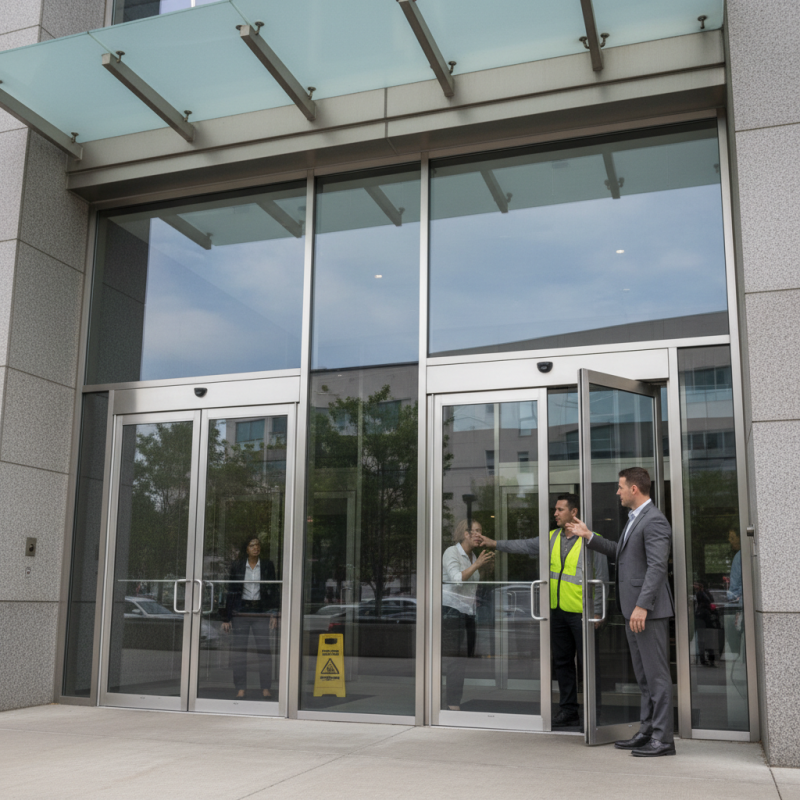
Proper glass door alignment is crucial for safety in both residential and commercial settings. Misalignment can lead to dangerous situations. A door that does not close properly may create gaps. These gaps can expose individuals to risks like accidental falls or security breaches. Additionally, when glass doors are not aligned, they may shatter under pressure. This can cause serious injury to anyone nearby.
Regular checks and maintenance can prevent these issues. Trimmed hinges and adjusted frames play a key role in this process. It's not just about aesthetics; it's about protection. Small misalignments can escalate into larger problems over time. The impact of a faulty door could be devastating. Take a moment to inspect your glass doors routinely. Safety should never be overlooked.
| Reason | Impact on Safety | Potential Risks | Preventative Measures |
|---|---|---|---|
| Proper Sealing | Prevents air leaks and maintains climate control | Increased energy costs, discomfort | Regular inspections and adjustments |
| Security | Enhances vulnerability to unauthorized access | Break-ins, theft | Routine checks and reinforcing lock mechanisms |
| User Accessibility | Ensures easy access for all users | Injury risks for those struggling with door operation | Deploy adjustable hinges and user-friendly mechanisms |
| Aesthetic Appeal | Contributes to overall design and safety perception | Negative impression, potential hazards | Implement regular maintenance and alignment checks |
| Durability | Promotes longevity of the door and hardware | Frequent breakdowns, increased costs | Schedule preventive maintenance |
: Misaligned glass doors can shatter easily, causing injuries from sharp shards. This is especially dangerous in high-traffic areas.
Misaligned doors can create obstacles that hinder accessibility. This can frustrate users and lead to accidents.
Properly aligned doors reduce the risk of injuries and accidents. Misalignment is linked to a significant percentage of door-related incidents.
Regularly inspect tracks and hinges for wear. Check for debris that might hinder door movement.
It’s recommended to check alignment every three months for optimal performance. Regular checks help reduce risks.
Neglecting alignment can lead to costly repairs and replacements. It can also affect property value and user satisfaction.
Users may avoid spaces with troublesome doors. This avoidance can influence customer flow and overall business performance.
If movement is stiff or jerky, realignment is necessary. Regular adjustments can improve function and user experience.
Keeping a maintenance log tracks alignment trends over time. It may highlight recurring issues needing professional help.
Misaligned doors can show cracks and uneven gaps. This detracts from appearance and can impact customer perception negatively.
Proper glass door alignment is crucial for maintaining safety in both residential and commercial spaces. Misaligned glass doors can lead to various risks, including accidents caused by jamming, shattering, or improper closing. Ensuring that glass doors are accurately aligned not only protects users from these hazards but also preserves the structural integrity of the installation. This is particularly important as even slight misalignments can significantly affect user experience and accessibility, making it difficult for individuals, especially those with mobility challenges, to navigate spaces comfortably.
Regular maintenance and alignment checks are best practices that can help mitigate these risks. By understanding why glass door alignment matters for safety, property owners can ensure a secure environment while enhancing the overall appeal and functionality of their spaces. Taking proactive measures for alignment can ultimately lead to a safer, more accessible, and enjoyable experience for all users.

 Nova Glass Door