When planning to install a glass door, it’s essential to know what hardware is needed for glass door installation. The right hardware ensures a secure fit and lasting performance. Choosing quality materials can enhance the door’s aesthetic appeal and functionality.
A variety of components contribute to a successful installation. These include hinges, tracks, and handles, each serving a specific purpose. The wrong choice in hardware can lead to frustrating issues like misalignment or difficult operation. Observing these details will save time and effort in the long run.
Consider your project’s unique requirements. Are you working with a sliding glass door or a hinged one? This decision influences the type of hardware that best suits your needs. Sometimes, plans change, and you may need to reassess your selections. Proper research and guidance help mitigate errors, ensuring a smooth installation process.
When installing glass doors, precise measurements are crucial. Start with a quality measuring tape or laser level. These tools ensure accuracy and help avoid mistakes. A slight miscalculation can lead to a poorly fitting door. Measure twice, cut once is a good motto to remember.
Cutting glass requires specialized tools. A glass cutter is necessary for scoring the pane. It’s essential to apply even pressure while scoring to avoid cracks. Additionally, having safety goggles and gloves should not be overlooked. Working with glass can be hazardous. Mistakes are common, especially for beginners, so take your time and focus.
Consider using a straightedge or guide while cutting. This ensures clean, straight lines. You might find it challenging to maintain a steady hand. Practice on scrap pieces before making the final cut. Each step demands attention and patience. Remember that even seasoned professionals encounter challenges. Embrace the learning process as you work towards a flawless installation.
When considering glass doors, various types cater to different needs. Sliding glass doors are popular for their space-saving design. They typically require a sturdy track system installed at the top and bottom. Properly aligning the tracks is crucial for smooth operation. Not aligning them can lead to frustrating issues.
On the other hand, hinged glass doors provide a classic look. They swing open and often need more space. Installation involves placing hinges efficiently to support the door's weight. Using high-quality frames is necessary for durability. Issues may arise if frames aren't level, causing doors to stick or not close properly.
Bi-fold glass doors are gaining popularity for wide openings. They require precise measurements and sturdy hardware. The panels need to fold seamlessly, which involves careful planning. Mistakes in measurement can lead to poor fit, affecting the overall aesthetic. Each type of glass door has unique challenges, making expertise in installation essential.
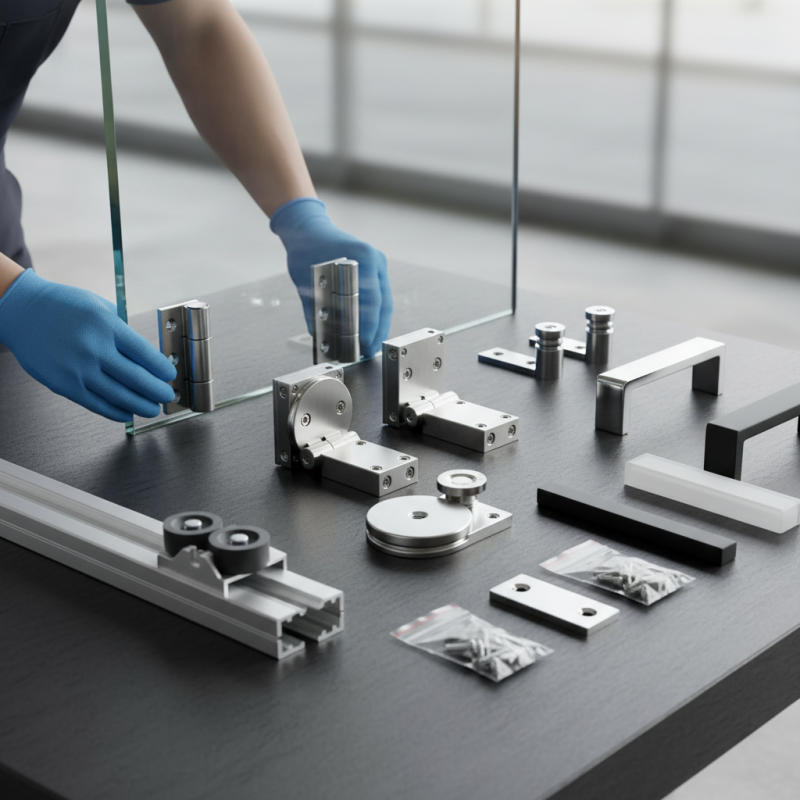
When considering glass door installation, the right hardware components are essential for achieving a secure and functional setup. First, you will need sturdy hinges. These should be designed to support the weight of the glass. Look for options that provide the necessary strength. Additionally, consider using a good quality track system. This ensures smooth movement and durability over time.
Another critical element is the handle or pull. It should be easy to grip and should complement the door’s aesthetic. Make sure it's ergonomically designed. You might also want to include clips or brackets to secure the glass in place. This aspect often goes overlooked. Yet, proper fastening is vital for safety and stability.
Don’t overlook the importance of installation tools. A level, drill, and measuring tape are basic tools that will help ensure a precise fit. However, assessing your space accurately can be tricky. Measure more than once, as mistakes can lead to costly adjustments. Taking the time to choose the right hardware components, and ensuring proper measurement, will lead to a better installation experience.
| Component | Description | Material | Purpose |
|---|---|---|---|
| Glass Panels | Transparent panels used for visual appeal and light entry | Tempered Glass | Main feature of the door |
| Hinges | Mechanisms that allow the door to swing open and close | Stainless Steel | Support door movement |
| Handles | Used to open and close the door easily | Brushed Nickel | User accessibility |
| Track System | Guides for sliding doors to move smoothly | Aluminum | Facilitate sliding functionality |
| Floor Guides | Keep the sliding door in alignment | Plastic or Metal | Stability for door |
| Seals | Prevent air leakage and improve insulation | Rubber or Silicone | Energy efficiency |
When installing glass doors, safety equipment is paramount. According to a report by the Occupational Safety and Health Administration (OSHA), falls and equipment-related injuries account for a significant percentage of workplace accidents. Having proper safety gear can reduce these risks. Essential items include safety goggles, gloves, and hard hats. These protect workers from glass shards and falling materials.
Before starting the installation, it's critical to assess the workspace. Use non-slip mats to prevent slips and falls. Experts recommend a minimum of two people for handling large glass panels. This practice reduces the risk of dropping heavy materials. The glass must be securely supported to avoid accidents.
Proper training in handling tools and materials is essential. Studies show that 70% of accidents occur due to improper technique. Regular safety meetings can reinforce guidelines. Always inspect tools before use. A damaged tool can lead to serious injuries. Taking these precautions ensures a safer working environment.
Installing glass doors can enhance the beauty and functionality of a space. However, maintaining them requires careful attention after installation. To keep your glass doors operating smoothly, regular adjustments and maintenance are essential.
One important step is to check the alignment of the doors. If the doors do not close properly, they may require leveling. Slight misalignments can lead to gaps, which affect insulation and security. It's advisable to inspect the hinges and rollers for wear and tear regularly. A squeaky door may indicate that lubrication is needed. Using the right type of lubricant can prolong the lifespan of the hardware.
Another consideration is cleaning. Glass doors should be cleaned frequently to maintain their appearance. Using a soft cloth with a suitable cleaner prevents scratching. It's easy to overlook this, but dirt accumulation can lead to permanent stains. Additionally, inspect seals and weather stripping for damage. Replacing worn-out seals not only maintains energy efficiency but also prevents water damage. Regular checks and simple maintenance tasks keep your glass doors looking great and functioning well over time.
: A quality measuring tape or laser level is crucial. These ensure accurate measurements and prevent mistakes.
Measuring twice helps avoid miscalculations that can lead to poorly fitting doors.
You'll need a glass cutter, safety goggles, and gloves. These tools are essential for safe and accurate cutting.
Use a straightedge or guide while cutting. This helps maintain straight lines and reduce mistakes.
There are sliding, hinged, and bi-fold glass doors. Each type has its own installation requirements.
Ensure the track system is sturdy and properly aligned. Misalignment can lead to operational issues.
Sturdy hinges and a quality track system are vital for stability and smooth operation.
Neglecting to secure the glass properly with clips or brackets. This can compromise safety.
Practice on scrap pieces first. Each step needs attention. Embrace mistakes as learning opportunities.
A level, drill, and measuring tape are essential. Ensure precise measurements to avoid costly adjustments.
When considering what hardware is needed for glass door installation, it is essential to start with the right tools for measuring and cutting the glass accurately. Various types of glass doors, such as sliding and hinged options, come with specific installation requirements that need to be understood before beginning the project. Essential hardware components usually include tracks, brackets, and handles designed for glass doors, which ensure a secure and functional setup.
Safety is paramount during installation; therefore, using appropriate safety equipment and taking necessary precautions can prevent accidents. Finally, once the glass doors are installed, making final adjustments to ensure proper functionality is crucial, alongside routine maintenance tips to keep the doors in pristine condition. By following these guidelines, you can achieve a successful glass door installation that combines both aesthetics and safety.

Nova Glass Door