Selecting the right materials for glass door hardware is crucial for both functionality and aesthetics. Industry reports indicate that up to 70% of hardware failures stem from poor material choices. These failures can lead to costly repairs and safety hazards. Understanding what materials are best for glass door hardware is essential for architects, builders, and homeowners alike.
Stainless steel, aluminum, and nylon are common choices in the market. Each material offers unique benefits. Stainless steel provides strength and corrosion resistance, making it ideal for high-traffic areas. Aluminum is lightweight and versatile, suitable for modern designs. Meanwhile, nylon offers a more affordable option but may fall short in durability.
Choosing the wrong material can lead to frequent replacements. This not only affects budgets but also impacts aesthetics. High-quality materials enhance the overall look of glass doors. However, too often, decision-makers prioritize cost over quality, reflecting a need for better industry awareness. Striving for the best material choice is essential for safety and long-term satisfaction.
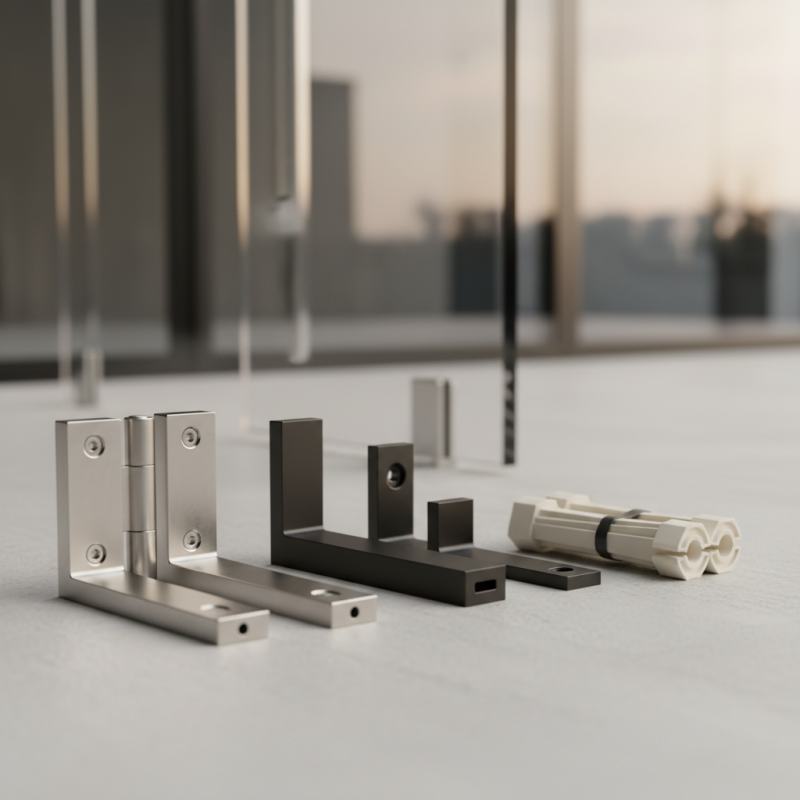
Factors to Consider When Selecting Glass Door Hardware Materials
When selecting materials for glass door hardware, several factors come into play. First, durability is crucial. Materials like stainless steel resist rust and wear, ensuring long-lasting performance. Corrosion resistance protects against moisture in humid areas, making proper material selection vital.
Aesthetics also matter. Hardware should complement the design of the glass door. Choosing the right finish can enhance visual appeal. An incompatible finish may clash with other elements of the space. Consider texture and color as they can impact the overall ambiance of the room.
Finally, consider the installation process. Heavier materials may require additional support, while lighter options can simplify installation. Balancing functionality and beauty is essential. Reflect on how the chosen materials will perform over time and adapt as needed. The right decision can lead to not only practical benefits but also a stunning visual impact.
Common Materials Used in Glass Door Hardware and Their Properties
Choosing the right materials for glass door hardware is crucial. The longevity and functionality of such installations depend significantly on material selection. Commonly used materials include stainless steel, aluminum, and brass. Each has unique properties that impact durability, maintenance, and overall aesthetics.
Stainless steel, for instance, is favored for its corrosion resistance. Reports indicate that over 60% of glass door manufacturers recommend it for outdoor applications. This metal can withstand harsh weather conditions, making it suitable for both residential and commercial use. However, stainless steel can be more expensive and may require professional installation.
Aluminum is lightweight and versatile, often used in modern designs. It is resistant to rust, although it might not be as strong as stainless steel. Some studies show that aluminum's durability can be compromised when exposed to acidic environments, which detracts from its reliability. Brass adds an elegant touch but can tarnish over time, requiring regular maintenance.
Understanding these materials' strengths and weaknesses helps make better choices. Each application demands careful consideration. The right decision improves performance and enhances durability and style.
Common Materials Used in Glass Door Hardware and Their Properties
This chart illustrates the durability ratings of common materials used in glass door hardware, where a higher rating indicates greater strength and longevity. Stainless steel ranks highest due to its corrosion resistance and strength, making it a popular choice for durability.
Impact of Material Choice on Durability and Longevity of Hardware
Choosing materials for glass door hardware is crucial. The durability of hardware largely depends on material selection. According to a report from the American Society of Testing and Materials, high-quality stainless steel can last up to 100 years compared to cheaper alloys that may corrode within a decade. The choice here is significant.
Glass doors are often exposed to varying weather conditions. Using marine-grade materials can enhance resistance to rust and corrosion. Tests show that hardware made from these materials has an extended lifespan. However, not all products marketed as premium are created equal. Some products may look appealing but lack real mechanical strength.
Improper material choices can lead to premature failures. One study revealed that nearly 30% of glass door hardware failures stem from inadequate material selection. Regular inspections and informed decisions are vital. Reflecting on past choices could prevent costly repairs. Ultimately, the impact of material choice goes beyond aesthetics; it directly influences functionality and longevity.
Cost Implications of Different Glass Door Hardware Materials
When selecting materials for glass door hardware, cost implications play a critical role. Different materials, such as stainless steel, aluminum, and plastic, come with varying price tags. Stainless steel, known for its durability and corrosion resistance, tends to be more expensive. However, it can offer long-term savings due to its longevity. Financially savvy decision-making requires weighing initial costs against potential maintenance expenses.
Aluminum hardware is lighter and more affordable, yet it may not withstand heavy use like steel. This could lead to quicker replacements, ultimately raising total costs. Choosing plastic might seem economical, but it often lacks the strength and aesthetic appeal that clients desire. The short lifespan of plastic can result in higher replacement frequencies, challenging the idea of saving money upfront. It's essential to examine the lifecycle of each material.
Consider the environment, too. Sustainable materials might carry a higher initial investment but can yield cost benefits over time. Upfront costs can obscure long-term savings from reduced energy usage and waste. The balance between price and performance is key. Taking time to evaluate options can prevent hasty decisions and regrettable outcomes. Understanding these factors leads you to make informed choices that align with both budget and quality expectations.
Aesthetic Considerations in Choosing Hardware for Glass Doors
When selecting hardware for glass doors, aesthetics play a vital role. The hardware should complement the overall design of the space. Whether it’s a modern office or a cozy home, the right choice can enhance visual appeal.
Clean lines and polished finishes often work well with glass. Conversely, intricate designs may clash.
Color and texture also matter greatly. A matte black handle might add a bold contrast to clear glass. On the other hand, shiny chrome can shimmer and reflect light, creating an eye-catching effect. Lighting can further influence how these materials appear.
Many people overlook the importance of functionality alongside beauty. Hardware must not only look good but operate smoothly. Rigid parts can create frustrating experiences.
Attaching stylish yet practical pieces can bridge this gap. Observing how materials interact with the environment is essential. It can reveal unforeseen challenges and opportunities.
FAQS
: Durability is crucial. Ensure materials resist rust and wear for long-lasting performance.
Corrosion resistance protects against moisture, especially in humid areas. Proper selection is vital for longevity.
Hardware should match the design of the glass door. An incompatible finish can clash with the space's overall look.
Stainless steel is recommended for outdoor use. It withstands harsh weather and offers excellent corrosion resistance.
Aluminum is lightweight and rust-resistant but may lack strength in acidic environments. Consider its durability carefully.
Heavier materials may require extra support, while lighter options simplify installation. Balance functionality and beauty.
Brass can tarnish over time, needing regular upkeep to maintain its visual appeal.
Stainless steel often requires professional installation, but lighter materials like aluminum might be easier for DIY.
Reflect on how the materials will perform over time. Adapt as needed to ensure durability and aesthetic appeal.
If the hardware clashes with your design, consider re-evaluating the finish or choose a different style altogether.
Conclusion
Choosing the right materials for glass door hardware is crucial for enhancing both functionality and aesthetics. When determining what materials are best for glass door hardware, several factors should be considered. These include the properties of common materials such as stainless steel, brass, and aluminum, each offering varying levels of strength, corrosion resistance, and style.
Additionally, the choice of material can significantly impact the durability and longevity of the hardware, as well as associated cost implications. Higher-quality materials may come with a greater initial investment but often result in long-term savings due to reduced maintenance and replacement needs. Moreover, aesthetic considerations must align with architectural styles to ensure that the hardware complements the overall design of the space. Thus, careful selection of materials not only fulfills practical requirements but also enhances the visual appeal of glass doors.

 Nova Glass Door