Choosing the right hardware for sliding glass doors is essential for homeowners. The global market for sliding doors is projected to grow significantly. A report by Research and Markets states it may reach $19 billion by 2026. This highlights the importance of selecting quality hardware.
Understanding how to choose hardware for sliding glass doors involves considering various factors. Durability is critical. High-quality materials like stainless steel enhance resistance to wear and corrosion. Convenience features, such as smooth gliding mechanisms, should not be overlooked. Poor choices can lead to frustrating experiences.
Homeowners often underestimate safety and security aspects. A report by the Consumer Product Safety Commission notes that faulty hardware contributes to many door-related accidents. Reflecting on these statistics, it’s clear that investing time in learning how to choose the right hardware is invaluable for long-term satisfaction and safety.
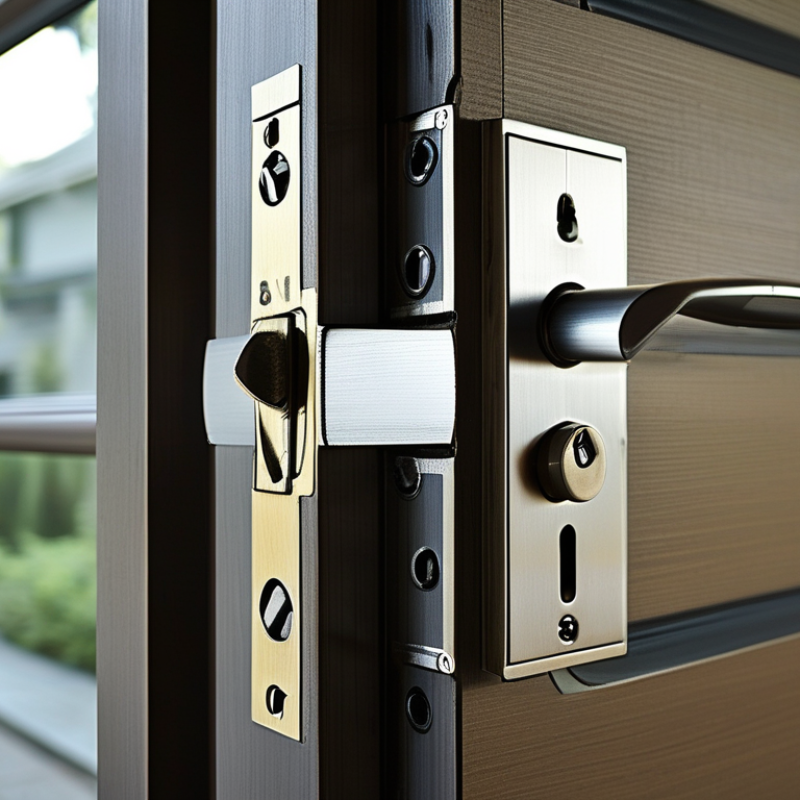
When selecting hardware for sliding glass doors, understanding the available types is crucial. The right hardware ensures smooth operation, security, and aesthetic appeal. Common types include rollers, tracks, handles, and locks. Each plays a vital part in the overall functionality.
For example, the choice of rollers impacts how easily the door opens and closes. Heavy-duty rollers are perfect for large doors, while lighter options suit smaller installations. The track material also matters; aluminum tracks resist rust, while steel offers durability. But choosing the wrong material can lead to wear and tear over time.
Tips: Always test the hardware before installation. Push the door to see how it glides. Check for any sticking or sound issues. Additionally, consider the security features. High-quality locks can deter intruders. If locks feel flimsy, rethink your choice. Take time to assess all options thoroughly.
When selecting hardware for sliding glass doors, several factors deserve careful consideration. Security is paramount. Reports indicate that over 30% of home break-ins occur through sliding glass doors. Thus, robust locking mechanisms and durable materials are essential. Hardware should withstand tampering and prolonged use.
Durability is another crucial factor. The average sliding door needs to function smoothly for years. A study from the National Association of Home Builders found that low-quality hardware can fail within five years, incurring costly repairs. Choose materials designed for resilience against weather and frequent use. Corrosion-resistant finishes are critical to ensure longevity, especially in humid climates.
Aesthetics also play a vital role in the selection process. Hardware should complement the door’s design and overall decor of the space. Experts suggest that the right choice can enhance property value. Yet, many overlook this aspect, resulting in mismatched or outdated looks. Balancing functionality and appearance often presents a challenge worth reflecting on.
The quality of hardware for sliding glass doors plays a crucial role in their overall functionality and longevity. Durable materials, such as stainless steel, resist corrosion, while high-grade rollers ensure smooth operation. A report by the Door and Hardware Institute indicates that choosing the right hardware can reduce maintenance costs by up to 30% over time.
Subpar hardware can lead to issues like misalignment and premature wear. In fact, research shows that the average lifespan of sliding doors equipped with low-quality components is significantly shorter. Homeowners often overlook these factors, but investing in quality hardware pays off. It can minimize disruptions and enhance daily use.
It's essential to consider installation as well. Even the best hardware won't function correctly if installed poorly. According to industry standards, proper alignment is crucial for optimal performance. Ignoring these details can lead to ongoing frustrations. Thus, the selection and installation of sliding door hardware should not be taken lightly.
When selecting hardware for sliding glass doors, materials play a crucial role in functionality and durability. Commonly used materials include stainless steel, aluminum, and plastic. Stainless steel is often the preferred choice due to its strength and resistance to corrosion. Aluminum hardware is lightweight and usually more affordable, but it may not be as robust under heavy use.
Plastic can be an economical option, yet it often lacks the longevity seen in metal alternatives. Consider the climate impact as well. In coastal areas, salt can corrode metal components. Opting for high-quality stainless steel or specially coated aluminum can mitigate this issue.
Tips: Always check the weight rating of the hardware to ensure it can support your doors. Consider consulting with a professional to assess the right material based on your environment. It’s also wise to test the sliding mechanism for any stiffness before installation. Remember, even small details can greatly affect the overall performance and aesthetics of your sliding doors.
Maintaining sliding glass door hardware is vital for longevity and functionality. According to a report from the National Association of Realtors, poorly maintained doors can lead to significant energy loss, increasing utility bills by nearly 15%. Regular maintenance ensures smooth operation and extends the lifespan of the hardware.
Start with regular inspections. Check for rust, dirt, or debris in the tracks. Clean the tracks weekly with a vacuum or damp cloth. Lubricate moving parts twice a year with a silicone-based spray. This prevents wear and tear, allowing seamless opening and closing. Identify any signs of damage early to avoid costly repairs later. A small crack can escalate into larger issues if neglected.
Consider weatherproofing seals to enhance energy efficiency. Reports show that proper sealing can reduce heating and cooling costs by 10-15%. Inspect the seals every season and replace them if they appear cracked or worn. Addressing these details promptly can save homeowners money and improve the overall comfort of the home. Ignoring these maintenance tips may lead to frustration and extra costs down the line.
: Common materials include stainless steel, aluminum, and plastic.
Stainless steel is strong and resistant to corrosion, making it durable.
Aluminum is lightweight and more affordable, but it may not handle heavy use as well.
Plastic is economical, but it often lacks the longevity of metal options.
Opt for high-quality stainless steel or coated aluminum to resist salt corrosion.
Always ensure the hardware's weight rating supports your doors.
Regular inspections and maintenance should be done at least twice a year.
Clean the tracks weekly to prevent rust and debris buildup.
Inspect and replace weatherproofing seals regularly to reduce heating and cooling costs.
Ignoring maintenance can lead to frustration and costly repairs later on.
Choosing the right hardware for sliding glass doors is essential for ensuring their functionality, longevity, and aesthetic appeal. When considering how to choose hardware for sliding glass doors, it's important to understand the different types of hardware available, such as rollers, tracks, and handles, as well as the materials used, which can significantly affect performance. Factors such as weight capacity, ease of use, and environmental conditions play a crucial role in selecting the suitable hardware.
Additionally, the quality of the hardware directly impacts the door's performance over time. Maintaining the hardware through regular cleaning and lubrication can help ensure smooth operation and prevent wear and tear. By paying attention to these aspects, homeowners can enhance the durability and efficiency of their sliding glass doors, making informed choices that will benefit them in the long run.

Nova Glass Door