When embarking on your next project, the choice of hardware is crucial. The Glass To Glass Clamp presents a compelling option for various applications. This clamp offers a blend of strength and aesthetics. It securely holds glass panels while ensuring a sleek look. Choosing the right clamp can directly impact the project's overall success.
However, selecting a Glass To Glass Clamp can be daunting. Some may wonder about its durability and installation process. It's essential to understand how these clamps work and the benefits they bring. Experience with different materials shows that a robust clamp significantly enhances glass installations.
Consider the versatility of the Glass To Glass Clamp. It fits seamlessly in both residential and commercial settings. Yet, it requires careful selection and installation to maximize its effectiveness. Not every project demands the same solution. Assessing unique needs becomes pivotal for achieving the desired outcome. Embracing the right hardware, such as the Glass To Glass Clamp, can elevate both functionality and design in your project.
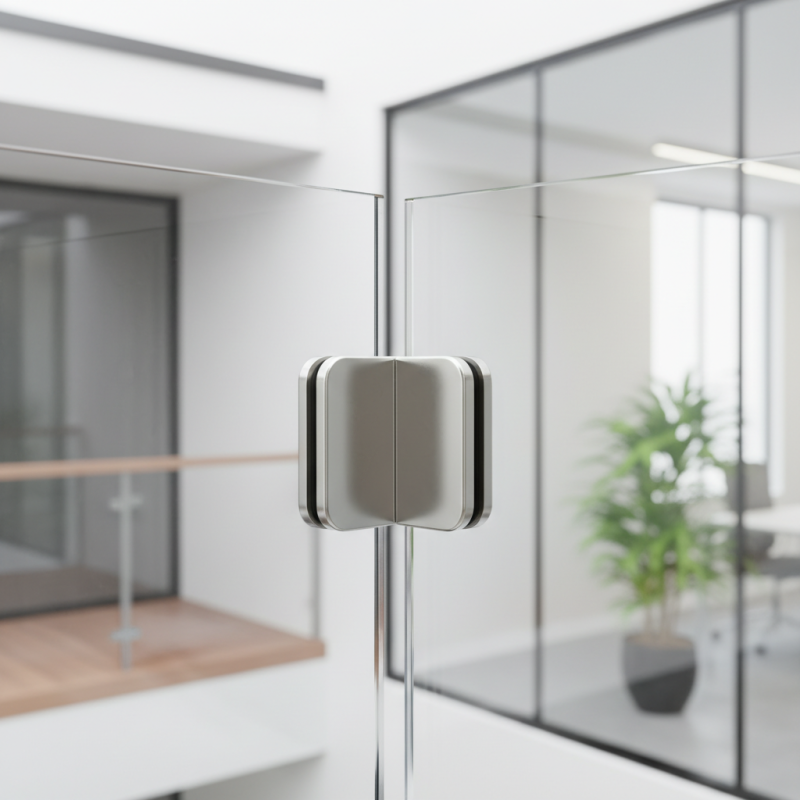
Benefits of Using Glass To Glass Clamps in Construction Projects
Glass to glass clamps are becoming essential in modern construction projects. They provide a sleek, seamless look, enhancing aesthetics in commercial and residential buildings alike. According to the Glass Association of North America, using glass clamps can increase structural integrity by up to 30%. This increase is crucial, especially in high-rise buildings where stability is paramount.
Additionally, these clamps facilitate easier installation and maintenance. Many contractors report reduced installation times by up to 25% when using glass clamps compared to traditional methods. However, it’s worth noting that proper installation training is essential. Without this, even a high-quality clamp may not perform as expected. This highlights the importance of expertise in ensuring both safety and durability.
Moreover, glass to glass clamps offer significant design flexibility. They accommodate various glass thicknesses, enabling unique architectural solutions. Yet, it’s important to remain vigilant about weight limits, as exceeding them can compromise the structural support. Projects that prioritize functionality and aesthetics benefit immensely from incorporating these innovative clamps.
Key Features of Glass To Glass Clamps You Should Consider
When selecting glass to glass clamps for your next project, consider their fundamental features. These clamps are essential for secure glass installations. According to a report by the Glass Association, the global glass hardware market is projected to grow by 6.5% annually. This highlights the increasing demand for reliable glass installations.
Durability is key. High-quality clamps can withstand significant force. The average tensile strength for glass clamps is around 30,000 psi. This ensures safety in high-traffic areas. Additionally, many clamps feature a sleek design that complements modern aesthetics. This gives a contemporary touch to glass railings and partitions.
Another point to consider is ease of installation. Many clamps are designed for quick assembly. This can save precious time on-site. Despite these advantages, it's essential to choose clamps that suit specific glass thicknesses. There is a variety of options available, but not all may be suitable for your project. It’s crucial to verify compatibility to prevent potential problems later on. This careful consideration of features can lead to safer and more visually appealing installations.
Key Features of Glass To Glass Clamps
Different Types of Glass To Glass Clamps and Their Applications
When considering glass-to-glass clamps, it's crucial to understand their diverse types and applications. These clamps serve various needs in both residential and commercial projects. One common type is the U-shaped clamp, which securely holds two glass panels together, perfect for glass shower enclosures. Its simple design allows for easy installation while offering strong support.
Another popular option is the L-shaped clamp, ideal for corner glass assemblies. This type provides stability while maintaining a sleek design. Often used in glass balustrades, it adds elegance to any space. However, choosing the wrong type can lead to issues, such as insufficient support or aesthetic clashes. It's essential to assess the project's specific needs thoroughly.
Furthermore, there are applications where the use of these clamps may not be ideal. For instance, in highly humid environments, metal clamps may corrode over time. Regular maintenance is necessary to ensure durability. Unintentional misuse can lead to safety hazards, so proper installation and selection are vital for success. Knowing the strengths and limitations of each type enhances both functionality and safety in your project.
How to Properly Install Glass To Glass Clamps for Optimal Performance
When working on a project that involves glass, selecting the right clamps is crucial. Glass to glass clamps offer a clean, modern look while securely holding glass panels together. However, proper installation is vital for optimal performance.
Installing glass to glass clamps requires precision. Start by ensuring all surfaces are clean and dry. A clean surface helps create a secure bond and reduces risks of chips or cracks. Be mindful of the glass thickness and clamp type. Measuring accurately will prevent future issues and ensure stability.
Tips: Always use a soft cloth to clean glass surfaces. Avoid abrasive materials that can cause scratches. Consider using a level to check alignment during installation. This simple step can save you time and frustration later.
When attaching clamps, apply consistent pressure for even distribution. Fluctuations can lead to stress points in the glass. Install the clamps as directed. Following manufacturer guidelines helps maintain the integrity of the installation. Keep in mind that improper installation might lead to accidents, which can be costly both financially and in terms of safety. Always take your time with each step to ensure a secure assembly.
Maintenance Tips for Ensuring Longevity of Glass To Glass Clamps
When you choose glass to glass clamps, maintenance is crucial for longevity. Regular cleaning helps prevent buildup of dirt and grime. Use a gentle cloth and mild cleaner to avoid scratches. These are effective methods to keep your clamps looking their best.
Inspect clamps frequently for signs of wear. Check for loose fittings or corrosion. Tightening screws may solve issues, but be careful not to overtighten. Replacing worn parts promptly can prevent bigger problems later. Using high-quality hardware pays off in the long run.
Temperature changes can affect clamps’ performance. When exposed to extreme heat or cold, materials may expand or contract. This might lead to loosening. Be mindful of the environment in which your clamps operate. Making necessary adjustments will help maintain safety and durability.
Why Choose Glass To Glass Clamp for Your Next Project? - Maintenance Tips for Ensuring Longevity of Glass To Glass Clamps
| Aspect |
Details |
| Material |
Stainless Steel, Aluminum |
| Strength |
Holds up to 1/2" thick glass securely |
| Finish Options |
Polished, Brushed, Satin |
| Maintenance Frequency |
Every 6 months |
| Cleaning Method |
Mild soap and water solution |
| Common Issues |
Corrosion, Loosening of screws |
| Longevity Tips |
Regular inspections and tightening of hardware |
| Average Lifespan |
10-15 years with proper maintenance |
Conclusion
The article "Why Choose Glass To Glass Clamp for Your Next Project?" explores the numerous benefits and key features of Glass To Glass Clamps in construction projects. Utilizing these clamps enhances structural integrity and aesthetic appeal while ensuring safety and stability. Various types of Glass To Glass Clamps are discussed, highlighting their specific applications in different construction scenarios.
Additionally, the article provides essential guidelines on the proper installation techniques to achieve optimal performance and includes maintenance tips aimed at prolonging the lifespan of Glass To Glass Clamps. By understanding these factors, construction professionals can make informed decisions when integrating Glass To Glass Clamps into their projects, ultimately leading to more successful and durable results.

 Nova Glass Door